8 Ways a Certified Athletic Therapist Supports Safe Movement
When Everyday Movement Starts to Feel Restricted and Needs Structured Support
Injuries, stiffness, or limited movement can quietly affect everyday life. Simple actions like bending, lifting, or even walking may start to feel restricted over time. Whether it comes from sports, work-related strain, or repetitive habits, these issues often lead people to seek structured support that goes beyond basic rest.
A Certified Athletic Therapist plays an important role in helping individuals move safely and return to normal activity with Confidence. Instead of focusing only on symptoms, they look at how your body moves as a whole and identify what may be causing discomfort or limitation.
What Does a Certified Athletic Therapist Do?
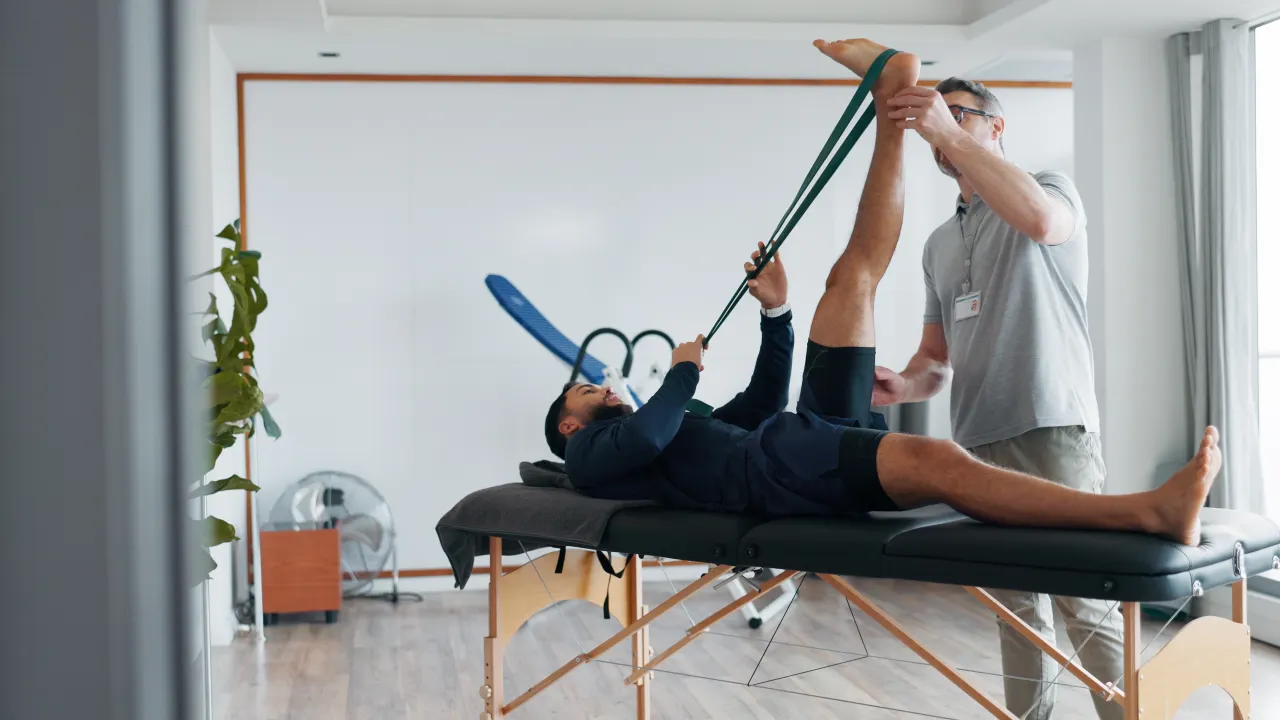
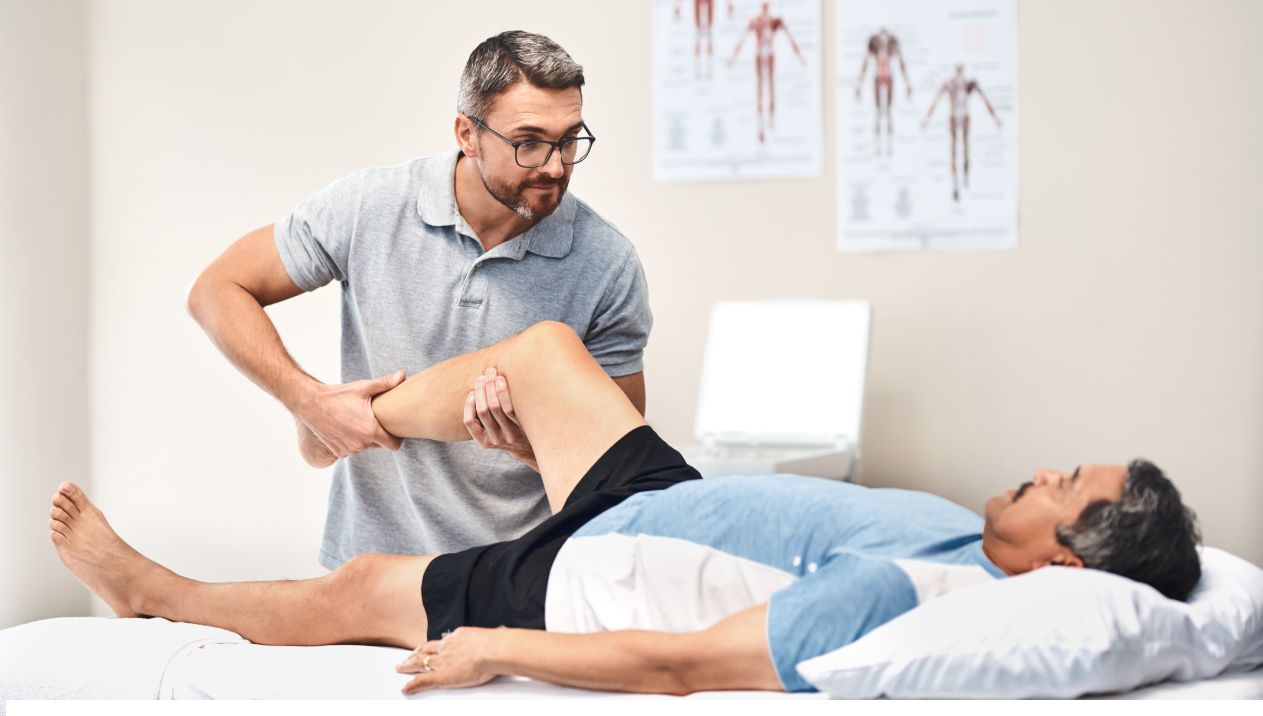
A Certified Athletic Therapist focuses on helping people restore and maintain proper movement. Their work combines assessment, exercise planning, and hands-on techniques to address both the cause and impact of physical strain.

They assist with:
- Recovery after sports or activity-related injuries
- Improving strength, stability, and coordination
- Supporting safe return to work or physical routines
- Reducing the chances of recurring issues
Whether someone is active in sports, works long hours at a desk, or performs physically demanding tasks, a Certified Athletic Therapist helps ensure the body moves efficiently and safely.
Why Safe Movement Matters After Injury or Strain
After an injury, the body often adapts in ways that may not be ideal. Without proper support, these changes can lead to ongoing problems.
Here’s why safe movement matters:
- Re-injury risks: Poor movement patterns can stress the same area again
- Muscle imbalance: Some muscles may overwork while others weaken
- Reduced Mobility: Stiffness can limit the range of motion over time
- Long-term strain: Incorrect movement habits can affect joints and Posture
Working with a Certified Athletic Therapist helps address these issues early, reducing the chances of long-term complications.
8 Ways a Certified Athletic Therapist Supports Safe Movement
A Certified Athletic Therapist uses several methods to help individuals regain control over their movement. Here are eight key approaches:
Movement Assessment
They evaluate how your body moves during everyday actions. This helps identify weak areas, imbalances, or improper patterns.
Strength and Stability Training
Targeted exercises improve muscle support around joints, making movement more controlled and efficient.
Mobility Work
Stretching and guided movements help restore flexibility, especially in stiff or restricted areas.
Activity-Specific Exercises
Exercises are designed based on your lifestyle—whether it’s sports, work tasks, or daily routines.
Injury Prevention Strategies
A Certified Athletic Therapist teaches ways to reduce strain during movement, helping you avoid repeat issues.
Posture Correction
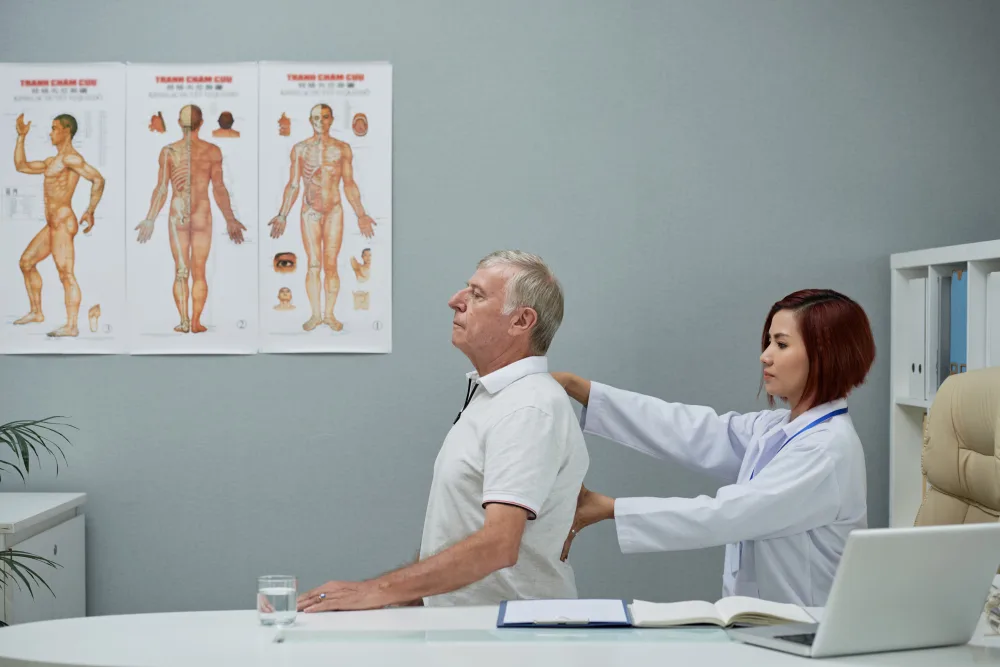
Poor posture can affect how your body functions. Adjustments and exercises help align your body properly.
Gradual Return to Activity
Instead of rushing back, they guide a step-by-step return to normal activity levels to avoid setbacks.
Ongoing Progress Tracking
Regular check-ins ensure your progress stays on track and adjustments are made when needed.
These steps make athletic therapy services useful for both recovery and maintaining active movement.
When Should You Consider Athletic Therapy?
There are several situations where seeing a Certified Athletic Therapist can make a difference:
- Recurring discomfort during physical activity
- Difficulty returning to sports after an injury
- Limited range of motion in joints or muscles
- Lingering stiffness that doesn’t improve
- Feeling unstable during movement or exercise
A sports injury rehabilitation therapist can help address these concerns before they become more serious.
Common Mistakes That Delay Recovery
Recovery can take longer when certain habits are overlooked. Here are common mistakes people make:
- Ignoring early signs: Small discomfort can turn into a bigger issue.
- Returning too quickly: Jumping back into activity without preparation.
- Relying only on rest: Rest alone doesn’t fix movement problems.
- Skipping structured rehab: Without proper exercises, recovery may remain incomplete.
A certified sports therapist ensures that recovery follows a structured path rather than relying on guesswork.
Movement and Active Lifestyles in Mississauga
Mississauga has a highly active community. From gym routines and recreational sports to physically demanding jobs and long hours at a desk, daily movement patterns vary widely.
These lifestyles can lead to:
- Repetitive strain from workouts or sports
- Postural stress from prolonged sitting
- Imbalances from uneven activity levels
A Certified Athletic Therapist helps individuals in Mississauga manage these challenges by focusing on safe movement habits. Whether someone is active in sports or balancing work and fitness, proper movement plays a key role in staying consistent.
FAQs
What does a Certified Athletic Therapist help with?
A Certified Athletic Therapist helps with movement issues, injury recovery, strength building, and the prevention of future strain.
Is athletic therapy only for athletes?
No, athletic therapy services are suitable for anyone experiencing movement limitations, whether from sports, work, or daily activities.
How is athletic therapy different from physiotherapy?
While both focus on recovery, a sports injury rehabilitation therapist often emphasizes movement patterns, strength, and return-to-activity planning.
How long does it take to see progress?
Progress depends on the condition, but many people notice improvements in movement and control within a few sessions.
Do I need a referral to book a session in Mississauga?
In most cases, you can book directly without a referral.
Moving Forward
Movement issues don’t always resolve on their own. When stiffness, discomfort, or limited Mobility start affecting your routine, it may be time to take action.
Working with a Certified Athletic Therapist can help you move with more control and reduce the risk of recurring problems. If you’re in Mississauga and looking for structured support, consider visiting Field Me Athletic Therapy at 2222 S Sheridan Way #111, Mississauga, ON L5J 2M4, Canada.
Book a session today and take the first step toward moving with Confidence again.