Are the Top 3 Worst Sports Injuries Treatable With Sports Injury Therapy?
Examining Whether Serious Sports Injuries Can Be Improved Through Rehabilitation
Sports and physical activity provide countless benefits, from improved fitness and strength to enhanced mental wellbeing. However, participating in sports also carries the risk of injury. While many injuries are minor and heal with time, some can be severe enough to disrupt athletic performance, daily activities, and overall Mobility.
Athletes and active individuals in Mississauga often wonder whether serious injuries can be managed successfully with professional care. One common question is whether the worst sports injuries can be improved with Sports Injury therapy. While every injury is unique and recovery timelines vary, many individuals find that structured rehabilitation plays an important role in restoring movement, function, and Confidence.
At Field Me Athletic Therapy, individuals in Mississauga can access assessment and rehabilitation services to support recovery from sports-related injuries. Understanding the most serious sports injuries and how rehabilitation may help is an important first step.
What Is Sports Injury therapy?
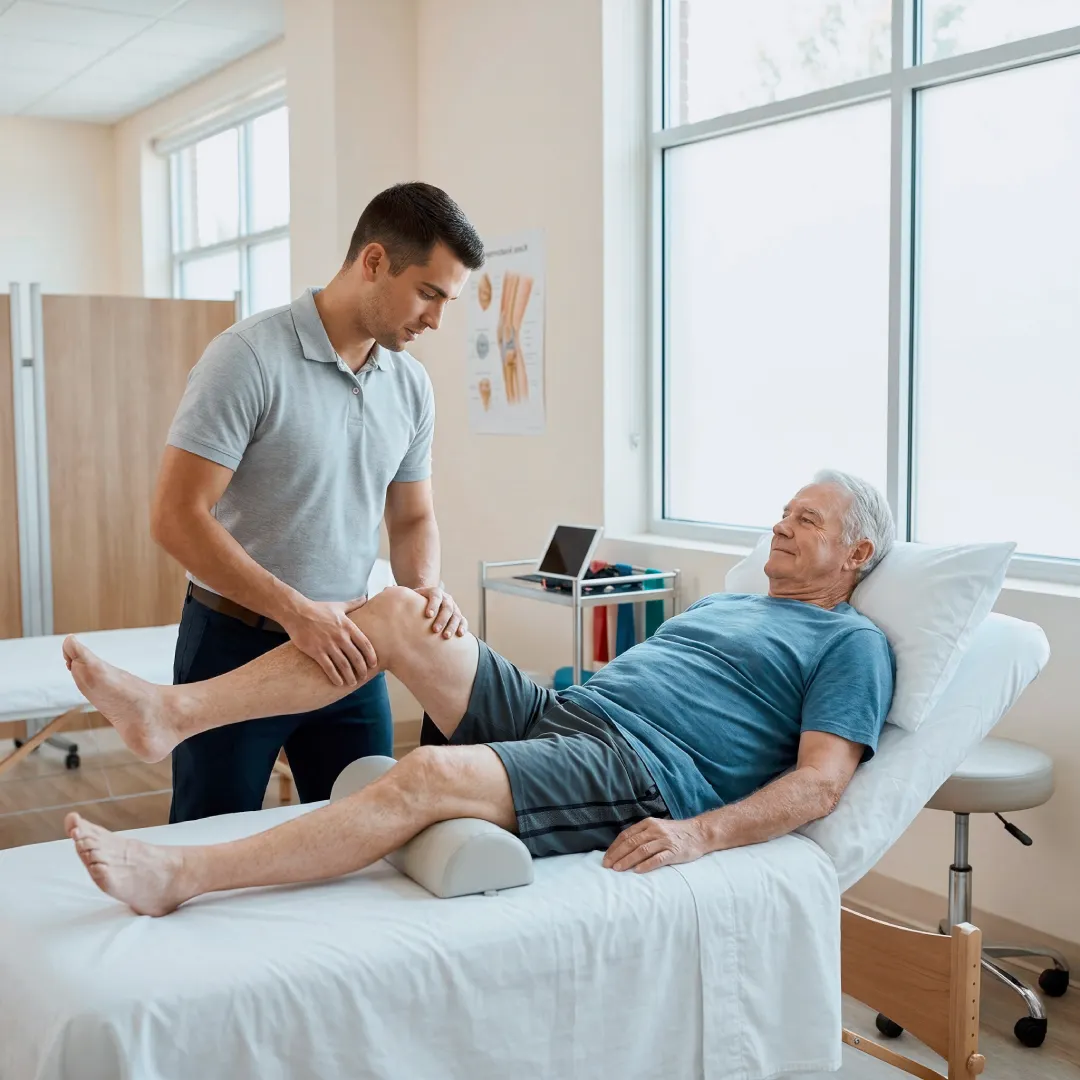
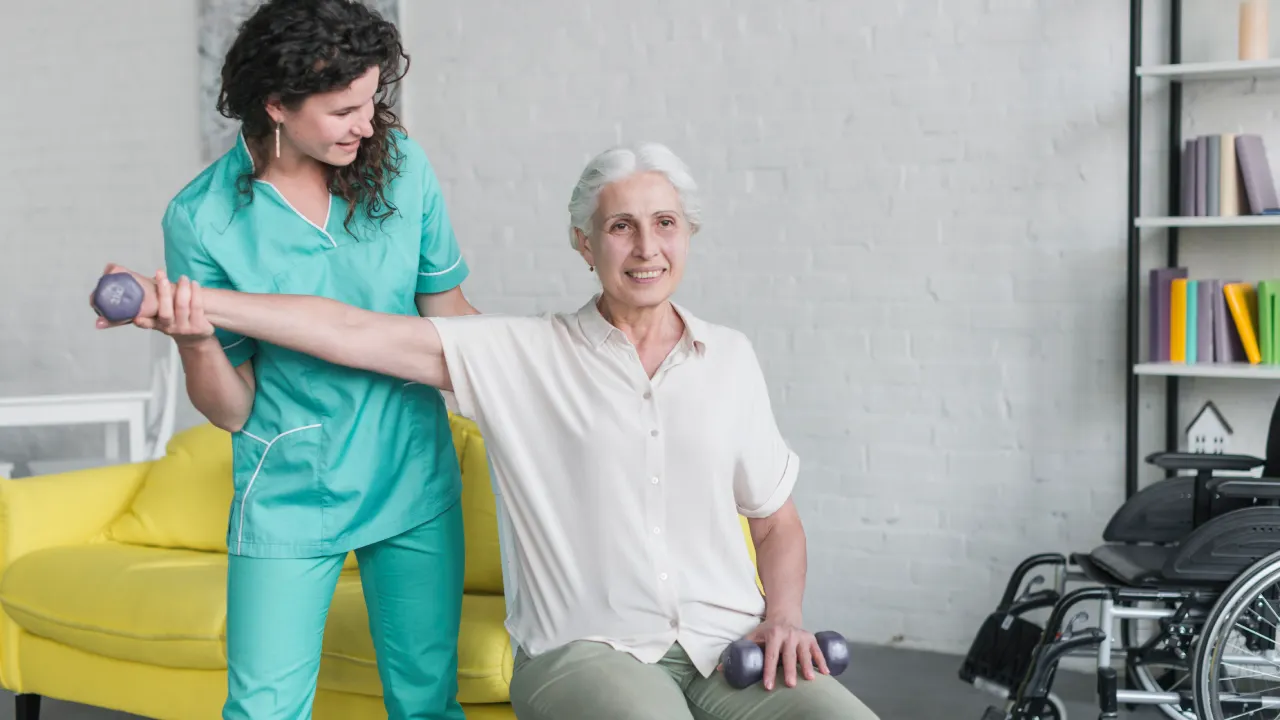
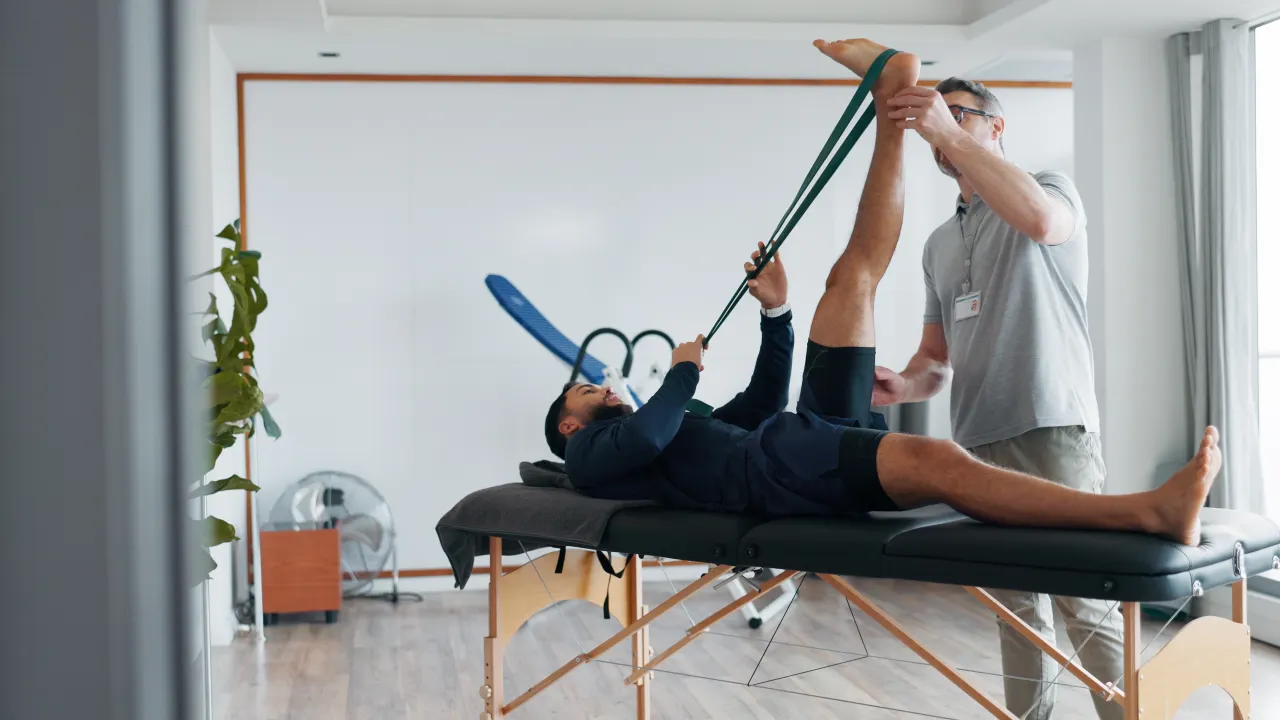
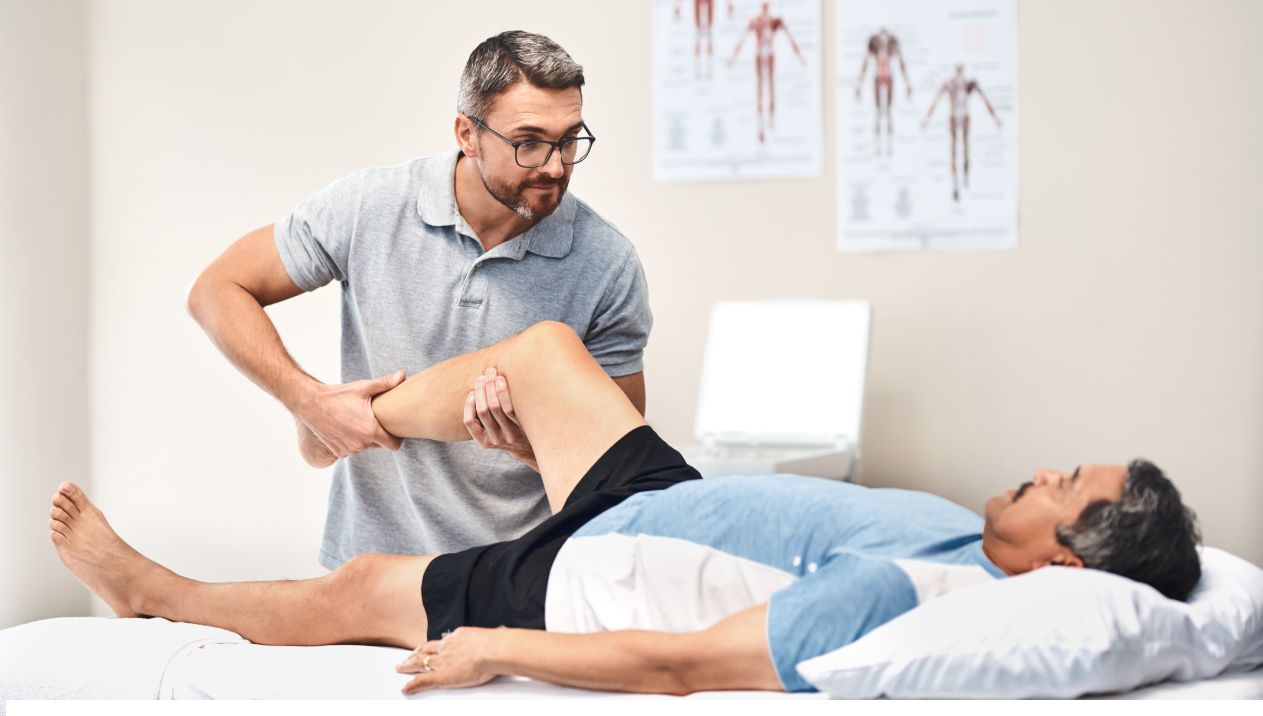
Sports Injury therapy focuses on the assessment, management, and rehabilitation of injuries related to sports and physical activity. Treatment plans often include movement assessment, exercise programs, manual techniques, Mobility work, strength training, and education.
The primary goals of Sports Injury therapy include:
- Supporting tissue recovery
- Restoring Mobility and flexibility
- Improving strength and stability
- Encouraging safe return to activity
- Reducing the risk of future injury
Whether someone is a competitive athlete or a recreational participant, Sports Injury therapy can be an important part of the recovery process.
The Top 3 Worst Sports Injuries
Certain injuries are often considered among the most serious because they can require lengthy rehabilitation and may significantly impact performance.
1. Anterior Cruciate Ligament (ACL) Tear
An ACL tear is one of the most recognized and challenging sports injuries. The ACL is a major ligament located in the knee that helps provide stability during movement.
ACL injuries commonly occur during:
- Sudden changes in direction
- Jumping and landing
- Pivoting movements
- Direct contact during sports
Athletes participating in soccer, basketball, football, and skiing are particularly vulnerable.
Common Symptoms
- A popping sensation in the knee
- Immediate swelling
- Knee instability
- Difficulty bearing weight
- Limited range of motion
Can ACL Tears Be Managed With Sports Injury Therapy?
In many cases, Sports Injury therapy plays a significant role before and after Surgery. Some individuals may even pursue non-surgical rehabilitation depending on the severity of the injury and activity goals.
Rehabilitation may focus on:
- Restoring Knee Mobility
- Improving muscle activation
- Building strength around the knee and hip
- Enhancing balance and coordination
- Preparing for a gradual return to activity
Recovery can take several months, but structured rehabilitation often forms an important component of the process.
2. Achilles Tendon Rupture
The Achilles tendon connects the calf muscles to the heel bone and is essential for walking, running, and jumping.
A rupture occurs when the tendon partially or completely tears.
Common Causes
- Sudden acceleration
- Explosive jumping
- Quick directional changes
- Overloading during sports participation
Many people describe feeling as though they were struck in the back of the leg at the moment of injury.
Common Symptoms
- Sudden pain in the lower leg
- Difficulty walking
- Weakness when pushing off the foot
- Swelling around the ankle
- Inability to stand on tiptoes
Can Achilles Ruptures Be Managed With Sports Injury Therapy?
Yes, rehabilitation often plays a major role in recovery regardless of whether treatment is surgical or non-surgical.
A rehabilitation program may include:
- Controlled Mobility exercises
- Gradual strengthening progressions
- Balance training
- Walking retraining
- Functional movement exercises
Throughout recovery, Sports Injury therapy can help individuals progress safely through each stage while working toward a return to normal activities.
3. Concussion
Unlike many sports injuries that affect muscles, ligaments, or tendons, a Concussion affects brain function.
Concussions can occur during contact sports such as hockey, football, rugby, and soccer. They may also happen during falls, cycling accidents, or recreational activities.
Common Symptoms
- Headache
- Dizziness
- Nausea
- Sensitivity to light
- Difficulty concentrating
- Memory challenges
- Fatigue
Symptoms can vary significantly from person to person.
Can Concussions Be Managed With Sports Injury Therapy?
Modern rehabilitation approaches often involve a structured recovery plan guided by qualified professionals.
Management may include:
- Activity modification
- Balance training
- Neck Mobility exercises
- Gradual return-to-play protocols
- Exercise progression based on symptoms
For many athletes, Sports Injury therapy forms part of a multidisciplinary recovery approach that supports a gradual return to physical activity.
Why Early Rehabilitation Matters
One of the most important factors in recovering from a major sports injury is beginning appropriate care as soon as possible.
Delaying treatment may contribute to:
- Joint stiffness
- Muscle weakness
- Reduced Mobility
- Compensatory movement patterns
- Longer recovery periods
Early assessment enables practitioners to identify movement limitations and develop a rehabilitation plan tailored to the individual’s needs and goals.
This is one reason many athletes seek Sports Injury therapy shortly after an injury.
What Happens During Rehabilitation?
Every injury is different, but rehabilitation often progresses through several stages.
Stage 1: Initial Assessment
A thorough assessment helps identify:
- Injury severity
- Movement limitations
- Strength deficits
- Functional restrictions
- Recovery goals
Stage 2: Pain and Mobility Management
The early phase often focuses on:
- Restoring joint movement
- Improving flexibility
- Encouraging proper movement patterns
- Supporting tissue recovery
Stage 3: Strength Development
As healing progresses, strengthening becomes a major focus.
Programs may target:
- Core muscles
- Stabilizing muscles
- Sport-specific movement patterns
- Functional strength
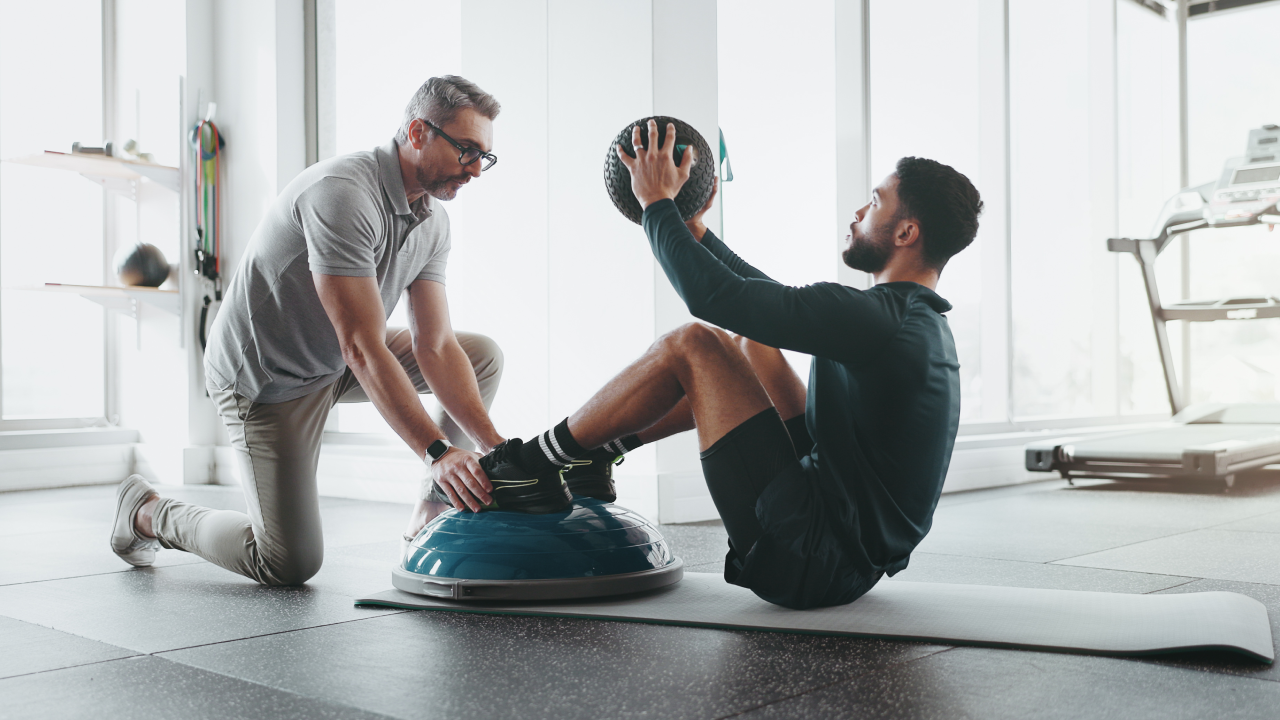
Stage 4: Return-to-Sport Preparation
The final stage often includes:
- Agility drills
- Balance exercises
- Sport-specific activities
- Conditioning exercises
This phase helps athletes regain Confidence before returning to competition.
Throughout these stages, Sports Injury therapy provides structure and progression based on individual recovery milestones.
Can Athletes Return to Sports After Serious Injuries?
Many athletes successfully return to recreational and competitive sports following significant injuries. However, recovery timelines vary depending on several factors.
These may include:
- Injury severity
- Overall health
- Age
- Activity level
- Treatment approach
- Commitment to rehabilitation
Consistent participation in Sports Injury therapy can help individuals work toward restoring Mobility, strength, and functional movement as they progress through recovery.
Preventing Future Sports Injuries
Although not every injury can be prevented, certain strategies may reduce risk.
Warm Up Properly
Dynamic warm-up routines prepare muscles and joints for activity.
Build Strength
Strong muscles provide support for joints and improve movement control.
Improve Mobility
Maintaining flexibility and Mobility may help reduce unnecessary strain on tissues.
Progress Gradually
Increasing intensity too quickly can increase the risk of injury.
Address Minor Issues Early
Small aches and movement restrictions can sometimes develop into larger problems if ignored.
Many athletes incorporate periodic Sports Injury therapy sessions into their training routines to identify movement limitations before they become significant concerns.
Why Choose Field Me Athletic Therapy in Mississauga?
Recovering from a major sports injury can be physically and mentally challenging. Having access to structured rehabilitation and ongoing support may help individuals navigate the recovery process more effectively.
Field Me Athletic Therapy provides assessment and rehabilitation services for active individuals and athletes in Mississauga. Whether someone is recovering from an ACL tear, Achilles injury, Concussion, or another sports-related condition, the clinic focuses on helping clients restore movement, strength, and function through evidence-informed rehabilitation strategies.
FAQs
1. What injuries are commonly treated with Sports Injury therapy?
Sports Injury therapy is often used for ligament injuries, muscle strains, tendon issues, joint injuries, overuse conditions, concussions, and post-surgical rehabilitation.
2. How soon should I start Sports Injury therapy after an injury?
The appropriate timing depends on the injury, but many individuals benefit from an assessment shortly after the injury occurs to determine the next steps.
3. Can Sports Injury therapy help after Surgery?
Yes. Rehabilitation is frequently recommended following surgeries involving the knee, ankle, shoulder, and other joints to restore strength and Mobility.
4. How long does recovery take for serious sports injuries?
Recovery timelines vary based on the type and severity of the injury, as well as individual circumstances. Some injuries improve within weeks, while others may require several months of rehabilitation.
5. Is Sports Injury therapy only for athletes?
No. While athletes commonly seek care, active individuals of all fitness levels may benefit from Sports Injury therapy following sports-related or activity-related injuries.
Take the Next Step Toward Recovery
If a sports injury is limiting your ability to move, train, or participate in activities you enjoy, professional rehabilitation may help you move forward with Confidence.
Field Me Athletic Therapy proudly serves athletes and active individuals throughout Mississauga. Contact the clinic today to schedule an assessment and learn how Sports Injury therapy can support your recovery journey and help you return to the activities that matter most.