Can Sports Injury Therapy in Mississauga Help Athletes Return to Training?
How Sports Injury Therapy in Mississauga Can Support a Safe Return to Training
Athletes place significant demands on their bodies through training, competition, practice, and regular physical activity. A sudden change in direction, awkward landing, collision, repetitive movement, or increase in training volume can affect muscles, tendons, ligaments, joints, and other tissues. Even when an injury seems minor at first, returning to demanding activity too quickly can make movement difficult and may interrupt training for a longer period.
For athletes in Mississauga, getting back to training often involves more than simply waiting for symptoms to settle. A structured approach can help address movement limitations, strength deficits, flexibility concerns, balance, coordination, and activity tolerance. Sports Injury therapy can be part of this process by focusing on the physical demands involved in an athlete’s training and gradually preparing the body for those demands.
The return-to-training process varies according to the type and severity of the injury, the athlete’s current physical condition, training goals, and response to activity. Rather than following the same routine for every person, the process may involve gradual progression based on movement and functional capacity.
What Is Sports Injury therapy?
Sports Injury therapy refers to therapeutic care focused on injuries and movement concerns associated with sports, exercise, recreational activities, and physical training. Depending on the injury, care may include movement assessment, therapeutic exercises, mobility work, strengthening, balance activities, manual techniques, and gradual exposure to sport-related movements.
The purpose is not simply to focus on where an athlete feels discomfort. A sports-related injury can affect how a person moves and places a load on surrounding areas. For example, an ankle injury may change walking, running, jumping, or landing mechanics. A shoulder problem may affect lifting, throwing, or overhead movements.
A therapy plan may therefore address several areas at once. These can include:
- Joint mobility
- Muscle strength
- Flexibility
- Balance and coordination
- Movement control
- Muscular endurance
- Sport-specific movement
- Gradual training tolerance
The exact approach depends on the athlete’s condition and functional goals.
Can Sports Injury therapy Help with a Return to Training?
For many athletes, Sports Injury therapy may support a gradual return to physical activity by addressing limitations that developed after an injury. The process generally focuses on restoring movement and building capacity before the athlete resumes demanding training.
Returning to exercise is not always a simple switch from rest to full training. An athlete may feel capable of performing everyday activities but still lack the strength, control, or endurance required for sprinting, jumping, cutting, throwing, or repeated sport-specific movements.
A progressive program can help bridge that gap.
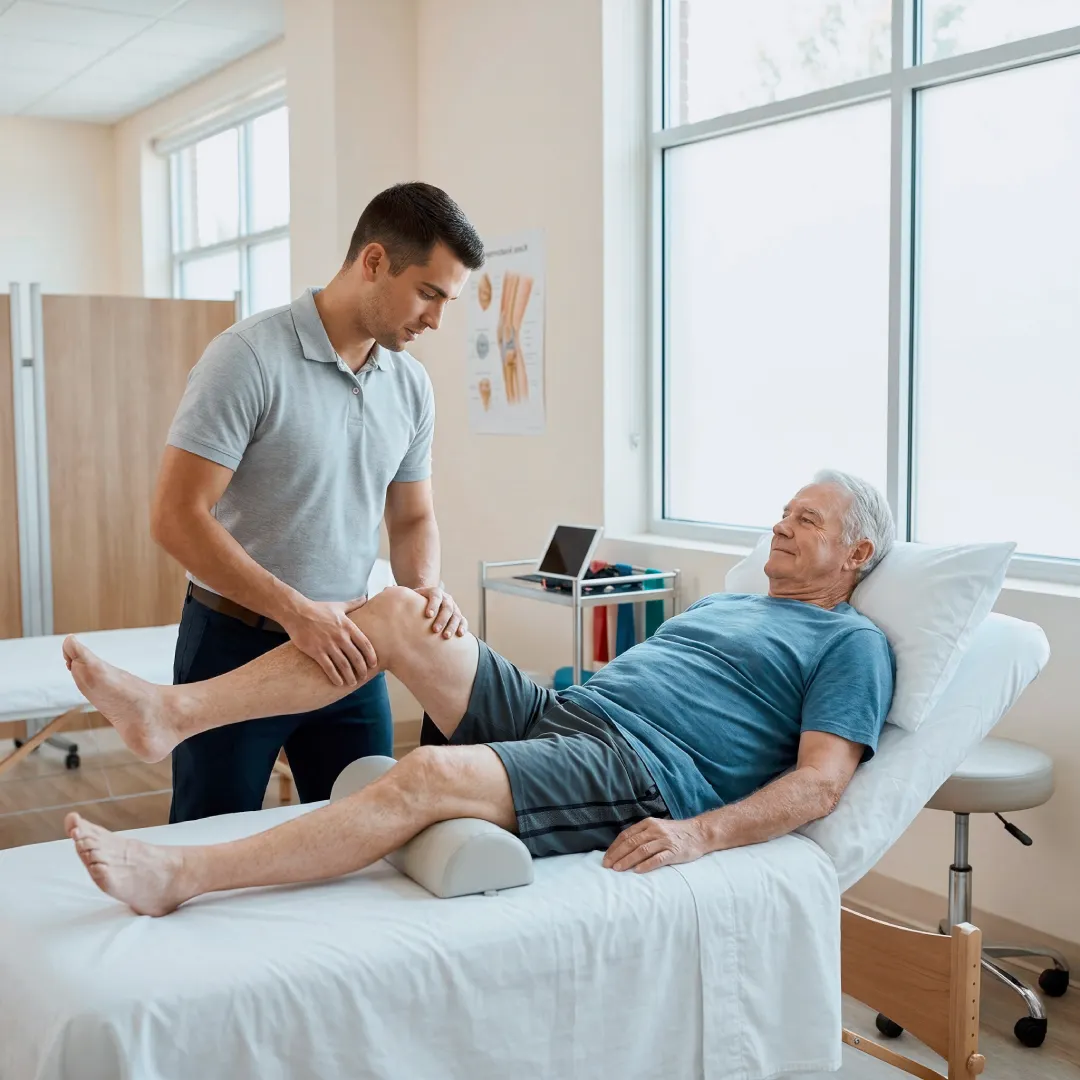
For example, an athlete recovering from a lower-limb injury may initially work on basic mobility and controlled strengthening. As capacity improves, exercises may progress toward single-leg movements, dynamic balance, jumping, landing, running drills, and other activities relevant to the athlete’s sport.
This gradual progression allows the body to adapt to increasing physical demands while providing opportunities to monitor how it responds.
How a Return-to-Training Program May Progress
A return-to-training plan can involve several stages. The sequence may vary depending on the injury, but a general progression can include the following.
1. Initial Assessment
The first stage involves reviewing the injury, symptoms, movement limitations, training history, and current activity level. The clinician may assess mobility, strength, balance, coordination, and functional movements.
This information helps identify areas that may need attention before more demanding activity is introduced.
2. Restoring Basic Movement
After an injury, an athlete may develop stiffness, reduced movement, weakness, or changes in movement patterns. Early exercises may focus on controlled mobility and comfortable movement.
The goal is to establish a foundation for subsequent strengthening and functional activities.
3. Building Strength
Strength is an important component of returning to sport. Depending on the injury, exercises may target individual muscles or larger movement patterns.
An athlete recovering from a knee injury, for example, may work on controlled squats, step movements, leg strengthening, and balance exercises. The workload can gradually increase as the athlete demonstrates improved control and tolerance.
4. Increasing Exercise Capacity
Sport often requires repeated effort rather than a single movement. An athlete may therefore need to rebuild muscular endurance and cardiovascular capacity before returning to full training.
Training volume can be increased progressively through repetitions, resistance, duration, speed, or complexity.
5. Introducing Sport-Specific Movements
Once basic physical qualities have improved, exercises may become more closely connected to the athlete’s sport.
A soccer player may progress toward running, acceleration, deceleration, cutting, and ball-related drills. A basketball player may need jumping, landing, lateral movement, and rapid changes of direction. A swimmer may require controlled shoulder movements and progressive resistance.
6. Returning to Training
The final stage involves gradually reintroducing regular training demands. This may begin with reduced intensity, fewer repetitions, shorter sessions, or modified drills.
The athlete can then increase training demands as the body demonstrates adequate tolerance.
Recovery Factors to Consider with Sports Injury therapy
Several factors can influence how an athlete progresses after an injury. Considering these factors can help create a sensible pathway back to training.
Type and Severity of Injury
A mild muscle strain and a significant ligament injury have different recovery requirements. The tissues involved, degree of damage, symptoms, and functional limitations can all influence the process.
The athlete’s rehabilitation plan should therefore reflect the nature of the injury rather than relying on a fixed timeline.
Current Strength and Mobility
Reduced strength or mobility can affect how an athlete performs everyday and sport-related movements. Testing these areas can help identify limitations that may need to be addressed before higher loads are introduced.
Training Load
Training too much too soon can place considerable stress on tissues that are still adapting. Training volume should be considered alongside recovery, sleep, nutrition, work demands, and other physical activities.
A gradual increase can allow the body to adjust to rising workloads.
Sleep and Rest
Rest plays an important role in physical recovery. Athletes who train frequently may need to pay close attention to sleep duration and rest periods between demanding sessions.
Insufficient recovery time can make it difficult to manage increasing training loads.
Nutrition and Hydration
Adequate nutrition provides energy and nutrients required for physical activity and tissue maintenance. Hydration is also important during training, particularly when sessions are prolonged or performed in warm conditions.
Athletes should consider their individual nutritional needs and seek advice from an appropriate healthcare or nutrition professional when necessary.
Psychological Readiness
An injury can affect an athlete’s confidence about returning to a particular movement. Someone may physically perform a task but remain hesitant about sprinting, jumping, changing direction, or making contact.
Gradual exposure to sport-specific tasks can help athletes become more comfortable with movement demands while monitoring physical responses.
Sport-Specific Requirements
Different sports place different demands on the body. A runner, hockey player, tennis player, swimmer, and weightlifter may require different physical qualities.
A return-to-training program should account for the movements, intensity, speed, duration, and frequency associated with the athlete’s activity.
Previous Injuries
A history of previous injuries can be relevant when planning a return to sport. Previous weakness, movement changes, or incomplete rehabilitation may influence current training capacity.
Reviewing previous injuries can help identify factors that may need attention during the current rehabilitation process.
Exercises That May Be Included
Sports Injury therapy in Mississauga may incorporate exercises selected according to the athlete’s condition and stage of recovery. Common categories include:
Mobility Exercises
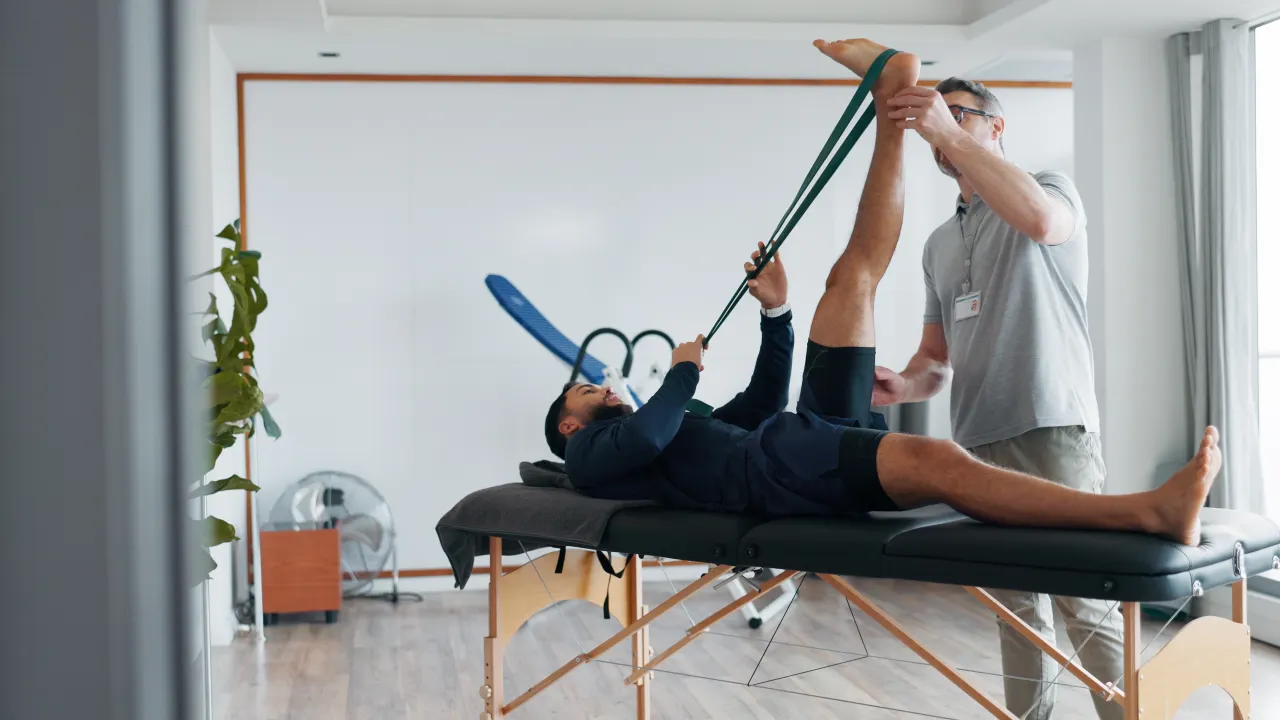
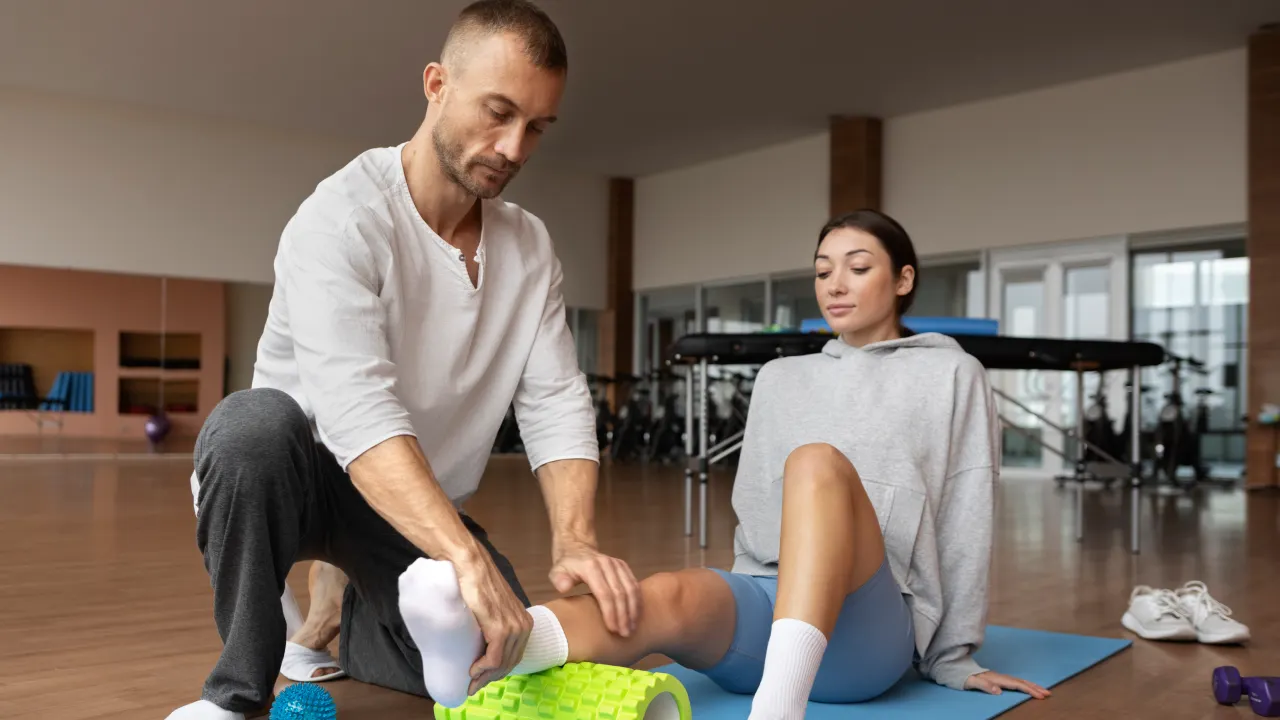
Mobility exercises can help address restricted movement in joints and surrounding tissues. They may be used before strengthening or as part of an ongoing exercise routine.
Strength Exercises
Strength exercises can target muscles involved in the affected movement. Resistance may come from body weight, resistance bands, weights, machines, or other equipment.
Balance Exercises
Balance activities can be useful after injuries that affect the ankle, knee, hip, or other areas involved in stability. Exercises may progress from stable positions toward more dynamic tasks.
Core Exercises
Core training can support control during many athletic movements. Depending on the sport, athletes may work on trunk stability while moving the arms or legs.
Dynamic Exercises
As an athlete progresses, exercises may include jumping, hopping, running, direction changes, and other dynamic movements relevant to their activity.
The exercises selected should match the individual’s current ability and gradually increase in difficulty.
Why Gradual Progression Matters
An athlete may be eager to return to regular training after missing practices or competitions. However, the body may not immediately tolerate the same workload that was manageable before the injury.
Gradual progression allows training demands to increase in stages. For example, an athlete may begin with low-impact exercises before moving to jogging, running, acceleration, jumping, or sport-specific drills.
The response to each stage can help determine when it is appropriate to increase the workload.
This approach can also help identify issues that appear only during higher-demand movements. An athlete may have no symptoms while walking but notice difficulty during sprinting or cutting. Including these activities in a progressive program can provide useful information about readiness for training.
How Athletes Can Support Their Return to Training
Athletes can take several practical steps during the return process:
- Follow the exercise plan consistently.
- Increase training demands gradually.
- Pay attention to changes in symptoms during and after activity.
- Allow adequate rest between demanding sessions.
- Maintain appropriate hydration and nutrition.
- Warm up before training.
- Include mobility and strength work as recommended.
- Communicate changes in symptoms to the treating professional.
- Avoid rushing back to full-intensity competition.
- Follow sport-specific progression when returning to drills.
Communication is particularly important when an athlete notices new symptoms, reduced movement, swelling, weakness, or difficulty completing previously manageable activities.
When Should an Athlete Seek Care?
An athlete may consider assessment when an injury causes persistent discomfort, swelling, reduced movement, weakness, instability, or difficulty participating in normal activities.
Prompt medical assessment may also be appropriate after significant trauma, suspected fracture, major joint instability, severe swelling, loss of function, or other concerning symptoms.
For less urgent sports injuries, a structured assessment can help identify movement limitations and establish an appropriate rehabilitation pathway.
For athletes in Mississauga, Sports Injury therapy in Mississauga can be considered as part of a broader plan focused on restoring physical capacity and progressing toward training demands.
Returning to Training Is More Than Feeling Ready
An athlete may feel eager to resume normal training before their physical capacity has returned to the required level. Readiness can involve several factors, including strength, mobility, balance, coordination, endurance, movement quality, and tolerance to sport-specific activity.
For this reason, returning to training can be viewed as a gradual process rather than a single event.
An athlete may first return to modified exercises, followed by partial training sessions, increased intensity, and eventually regular sport participation. The exact progression depends on the injury and the demands of the activity.
The goal is to build sufficient physical capacity for the athlete’s specific training requirements while monitoring how the body responds at each stage.
How Field Me Athletic Therapy Can Support Athletes in Mississauga
At Field Me Athletic Therapy, athletes in Mississauga can seek care for sports-related injuries and movement concerns. The rehabilitation process can focus on the individual’s current physical abilities, injury-related limitations, and training requirements.
A session may involve assessment of movement and function followed by exercises or therapeutic techniques appropriate to the athlete’s condition. As capacity changes, exercises can be progressed to reflect increasingly demanding activities.
For athletes preparing to return to running, strength training, recreational sports, team practices, or competition, the focus can remain on gradually rebuilding the physical qualities required for participation.
The process should also account for the athlete’s sport, training schedule, previous injuries, and response to increasing activity.
5 FAQs
1. Can Sports Injury therapy help after a muscle strain?
It may be included in a rehabilitation plan for a muscle strain. Depending on the injury, care may involve mobility exercises, progressive strengthening, activity modification, and gradual return to sport-related movements.
2. How soon can an athlete return to training?
There is no single timeline for every injury. The timeframe can depend on injury severity, tissue involved, symptoms, strength, mobility, sport requirements, and progress through rehabilitation.
3. Is exercise part of sports injury rehabilitation?
Exercise is commonly used in rehabilitation. The type and intensity can vary according to the athlete’s condition. Exercises may include mobility, strengthening, balance, endurance, and sport-specific movements.
4. Can athletes continue exercising while recovering?
Some athletes may be able to continue modified activities while recovering, while others may need to temporarily avoid particular movements. The appropriate activity level depends on the injury and should be determined with suitable clinical advice.
5. Can rehabilitation help athletes prepare for sport-specific movements?
Yes. As an athlete progresses, rehabilitation may include movements that reflect the demands of their sport, such as running, jumping, landing, throwing, lifting, or changes of direction.
Take the Next Step
Returning to sport after an injury requires attention to movement, strength, workload, recovery, and sport-specific demands. Rushing back to full training may place unnecessary stress on tissues that are still adapting, while a gradual progression can help athletes rebuild their physical capacity in stages.
If you are an athlete in Mississauga dealing with a sports-related injury or preparing to resume training, Field Me Athletic Therapy can help you assess your current movement and physical needs and establish an appropriate path toward your training goals.
Contact Field Me Athletic Therapy in Mississauga to schedule an assessment and discuss your return-to-training needs.
Phone: +1 647-964-2602
Address: 2222 S Sheridan Way 111, Mississauga, ON L5J 2M4, Canada