7 Benefits of Visiting an Athlete Rehabilitation clinic Early
Why Early Rehabilitation Matters After a Sports Injury
Sports and physical activity place significant demands on the body. Whether you compete at a high level, enjoy weekend games, or stay active through fitness training, injuries can interrupt your routine and limit movement. Many people hope discomfort will disappear on its own, but delaying care may lead to longer recovery periods, recurring issues, or reduced performance.
Choosing an athlete rehabilitation clinic soon after an injury can make a meaningful difference. Early assessment helps identify the source of pain, movement limitations, and factors that may contribute to recurring problems. With the right approach, individuals can return to training and daily activities with greater confidence while reducing unnecessary setbacks.
Field Me Athletic Therapy collaborates with athletes and physically active individuals of all sports and fitness levels in Mississauga. The focus is on restoring movement, improving function, and supporting a safe return to activity.
1. Early Assessment Identifies the Root Cause
Pain is often only one part of an injury. A sore knee, shoulder, or ankle may actually result from movement patterns, muscle imbalance, joint restrictions, or previous injuries. Visiting an athlete rehabilitation clinic early allows these contributing factors to be identified before they create additional strain.
Instead of focusing only on symptoms, clinicians evaluate mobility, strength, balance, flexibility, and sport-specific movement. This process creates a clearer picture of what happened and why it occurred.
Locating the source of the problem early also reduces the likelihood of compensating with other muscles or joints, which can create new issues elsewhere in the body.
2. Reduces the Risk of Long Recovery Periods
Waiting too long before seeking care may allow inflammation, stiffness, and weakness to progress. Muscles can lose strength, joints may become less mobile, and movement patterns can change to avoid pain.
Early care helps keep the injured area active within safe limits. Gradual movement supports circulation, maintains joint mobility, and slows muscle loss during recovery.
Many sports injuries respond well when managed shortly after they occur, making early action an important step toward returning to regular activity.
3. Supports Safe Return to Training
Returning to practice too soon can increase the chance of another injury. On the other hand, remaining inactive for too long may reduce strength, endurance, and coordination.
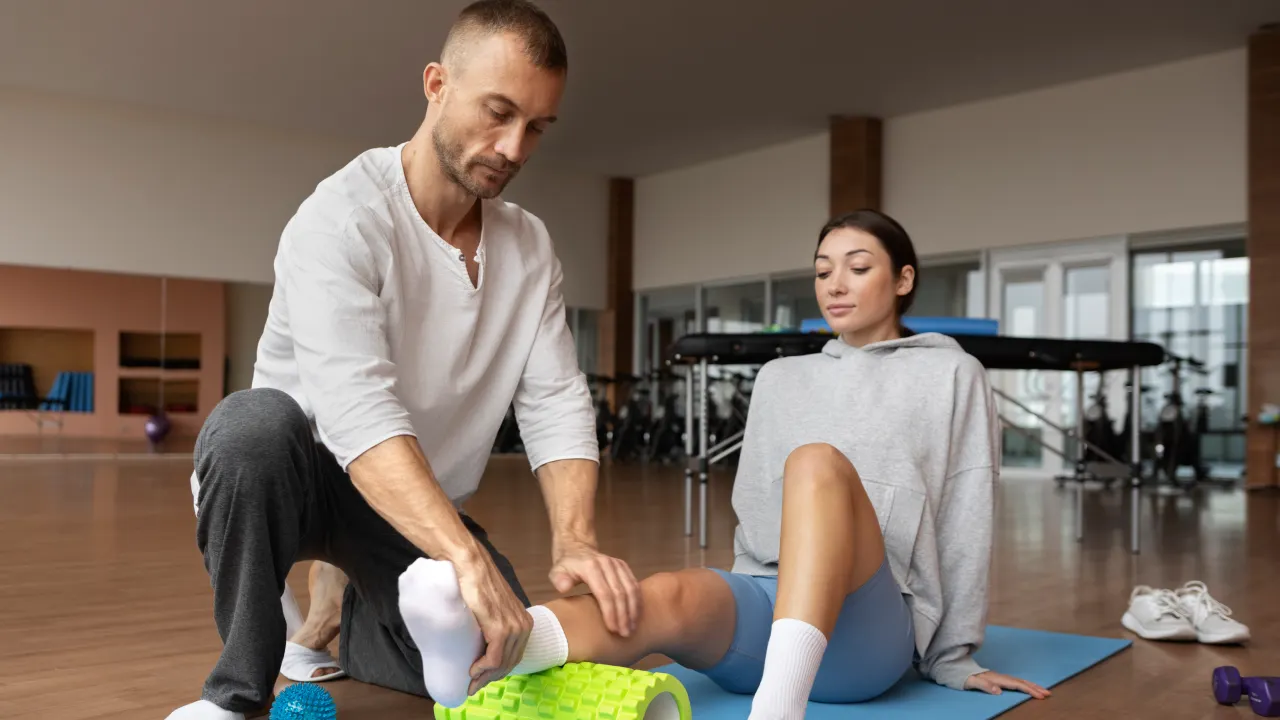
An athlete rehabilitation clinic creates a structured progression based on your current abilities. Each stage builds on the previous one, allowing tissues to recover while gradually restoring performance.
This progression often includes:
- Mobility exercises
- Strength development
- Balance training
- Functional movement drills
- Sport-related activities
Each stage prepares the body for the next step instead of rushing the recovery process.
4. Helps Restore Natural Movement
After an injury, many people unconsciously change how they walk, run, jump, lift, or throw. These altered patterns can remain even after pain decreases.
Movement assessment identifies these compensations and works toward restoring efficient motion. Improving movement quality can support athletic performance while lowering unnecessary stress on joints and muscles.
Whether the injury involves the shoulder, back, hip, knee, or ankle, restoring normal mechanics remains an important part of recovery.
5. Builds Strength Around the Injured Area
Weak supporting muscles often contribute to recurring injuries. Early rehabilitation includes progressive strengthening that matches healing stages.
Exercises may target nearby muscles as well as surrounding joints to improve stability and movement control.
Strength work often includes:
- Bodyweight exercises
- Resistance bands
- Free weights
- Functional movement drills
- Balance and stability work
Developing strength during recovery prepares the body for future physical demands.
6. Supports Confidence During Recovery
Many athletes worry about returning after an injury. Fear of pain or reinjury can affect movement, training intensity, and overall participation.
Working with an athlete rehabilitation clinic provides structured milestones that show measurable progress. As strength, mobility, and function improve, confidence often grows alongside physical recovery.
Knowing when the body is ready for higher levels of activity reduces uncertainty and encourages consistent progress.
7. Encourages Injury Prevention
Recovery should not end once pain decreases. Identifying movement limitations and physical weaknesses helps reduce the chance of similar injuries returning.
Preventive strategies may include:
- Warm-up routines
- Mobility work
- Strength maintenance
- Running or movement analysis
- Sport-specific conditioning
These habits support continued participation in sports and physical activity throughout the year.
7 Ways an Athlete Rehabilitation clinic Supports Injury Recovery
Recovering from an injury involves much more than waiting for tissues to heal. A structured rehabilitation process addresses movement, strength, mobility, and physical readiness before returning to sport.
Here are seven ways an athlete rehabilitation clinic supports recovery.
1. Individual Injury Assessment
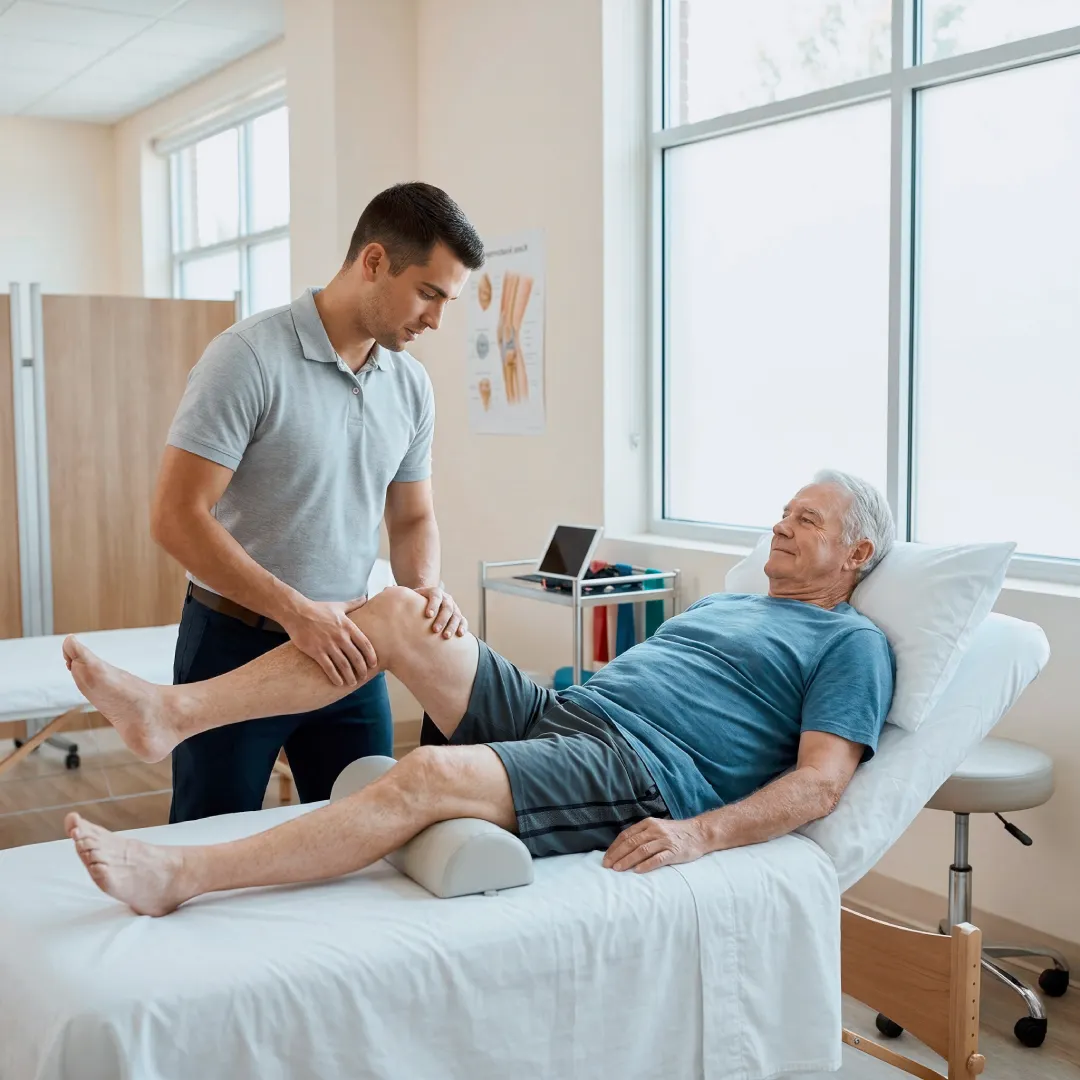
Every injury differs depending on the sport, training demands, previous history, and physical condition. A detailed assessment identifies factors influencing recovery and establishes realistic goals.
2. Progressive Exercise Programs
Exercises change as healing progresses. Early stages may focus on mobility and pain-free movement, while later phases include strength, endurance, agility, and sport-specific drills.
Progression helps maintain consistent improvement without placing unnecessary stress on healing tissues.
3. Movement Analysis
Walking, running, jumping, cutting, and lifting all involve coordinated movement. Assessing these patterns helps identify inefficient mechanics that may contribute to injury.
Small adjustments can improve movement efficiency and reduce excessive loading on joints and muscles.
4. Strength and Stability Training
Recovery depends on more than healing injured tissues. Supporting muscles also require attention.
Strengthening surrounding muscles improves joint stability, balance, and movement control during athletic activity.
5. Flexibility and Mobility Work
Restricted mobility may limit athletic performance and increase strain on nearby structures.
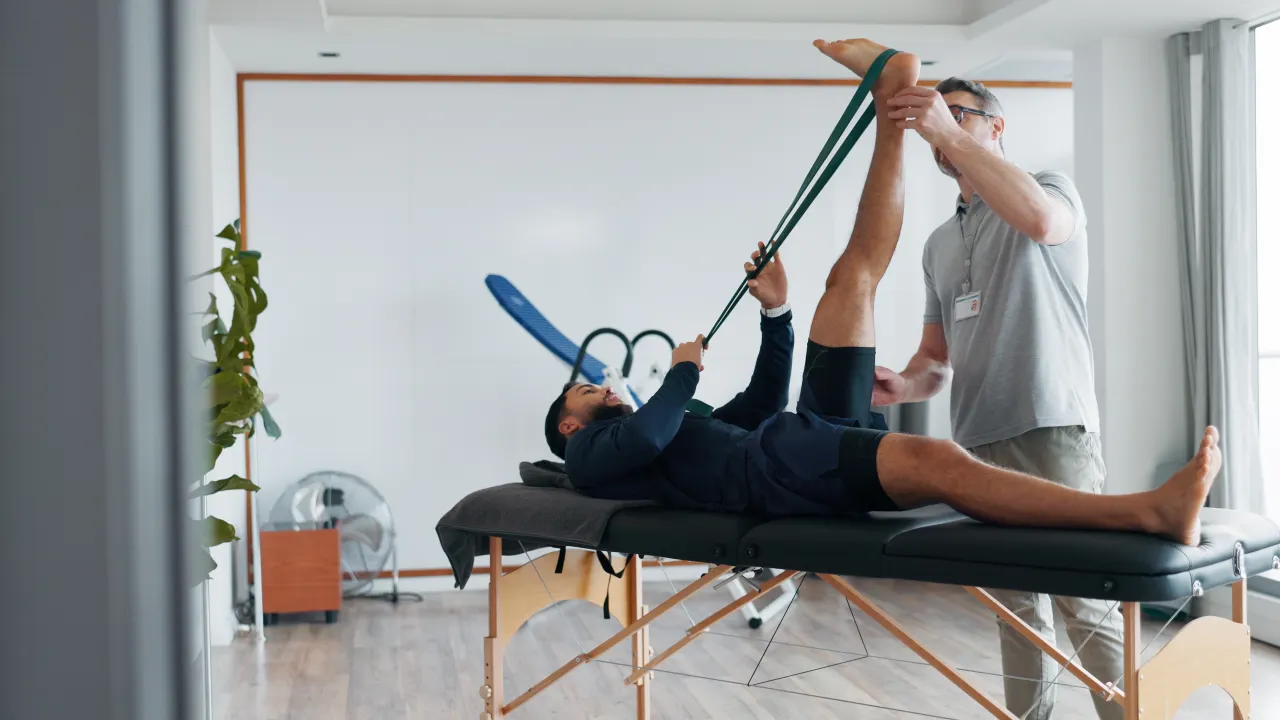
Stretching, mobility drills, and movement exercises help restore normal joint function throughout rehabilitation.
6. Return-to-Sport Planning
Returning to competition involves more than feeling comfortable.
Clinicians assess movement quality, strength, endurance, balance, and functional performance before increasing training demands. This staged progression helps prepare athletes for sport participation.
7. Ongoing Performance Maintenance
Even after returning to activity, regular movement assessments and exercise updates help maintain physical function throughout the season.
Monitoring physical changes may identify small issues before they become larger setbacks.
What Makes an Athlete Rehabilitation Clinic Different From General Physical Therapy?
Although both services help people recover from injuries, their primary focus often differs.
An athlete rehabilitation clinic places significant attention on returning individuals to sports, fitness activities, and demanding physical performance. Rehabilitation plans commonly include running mechanics, agility drills, strength progression, balance training, jumping, cutting movements, and sport-related tasks.
General physical therapy frequently serves a broader population, including people recovering from surgery, workplace injuries, arthritis, neurological conditions, or age-related mobility concerns. Goals often focus on restoring daily function such as walking, climbing stairs, or completing routine activities.
Athletic rehabilitation typically emphasizes:
- Sport-specific movement
- Performance-focused exercise progression
- Functional strength
- Dynamic balance
- Return-to-play readiness
- Injury prevention strategies
This approach addresses both recovery and physical preparation for future activity.
Why Choose Field Me Athletic Therapy in Mississauga?
For athletes and active individuals in Mississauga, Field Me Athletic Therapy provides care focused on movement restoration and safe return to physical activity.
Whether you’re recovering from a sprained ankle, shoulder injury, muscle strain, knee pain, back discomfort, or a sports-related condition, the clinic works toward restoring function through structured rehabilitation.
From the first assessment through each stage of recovery, the goal is to help clients return to training, competition, work, and everyday movement with greater confidence.
FAQs
1. When should I visit an athlete rehabilitation clinic after an injury?
It is often helpful to schedule an assessment as soon as possible after an injury. Early evaluation helps identify the source of the problem and supports a structured recovery plan.
2. Do I need to be a competitive athlete?
No. Recreational athletes, runners, gym members, fitness enthusiasts, and anyone with an active lifestyle can benefit from athletic rehabilitation.
3. What injuries are commonly treated?
Common conditions include ankle sprains, knee injuries, shoulder pain, muscle strains, ligament injuries, tendon issues, lower back pain, and sports-related overuse injuries.
4. How long does rehabilitation usually take?
Recovery time varies depending on the injury, severity, overall health, and activity goals. Your clinician will monitor progress and adjust your rehabilitation plan as recovery continues.
5. Can athletic rehabilitation help prevent future injuries?
Yes. Movement assessment, strength development, mobility training, and sport-specific exercise can reduce recurring movement issues and support continued participation in physical activity.
Why Contact Field Me Athletic Therapy?
If pain, limited mobility, or a recent sports injury is keeping you away from the activities you enjoy, don’t wait for symptoms to become more difficult to manage.
Visit Field Me Athletic Therapy in Mississauga to discuss your condition, receive a thorough assessment, and begin a structured rehabilitation plan that supports a safe return to movement and sport. Booking an appointment early can help you start recovery sooner and reduce unnecessary delays.