16 Reasons Sports Injury Therapy Is Often Recommended After Strain or Sprain
When a Strain or Sprain Starts Affecting Daily Movement, Early Support Can Make a Difference
A sudden strain or sprain can leave you dealing with stiffness, soreness, and limited movement. At first, it may not seem serious, so many people wait it out, hoping things will settle on their own. But as days pass, simple movements can feel harder, and discomfort may linger longer than expected.
This is where Sports Injury Therapy often becomes important. Instead of waiting for the body to recover on its own, the right approach can support movement, strength, and overall function early on. Taking action at the right time can make a noticeable difference in how smoothly recovery progresses.
What Is Sports Injury Therapy?
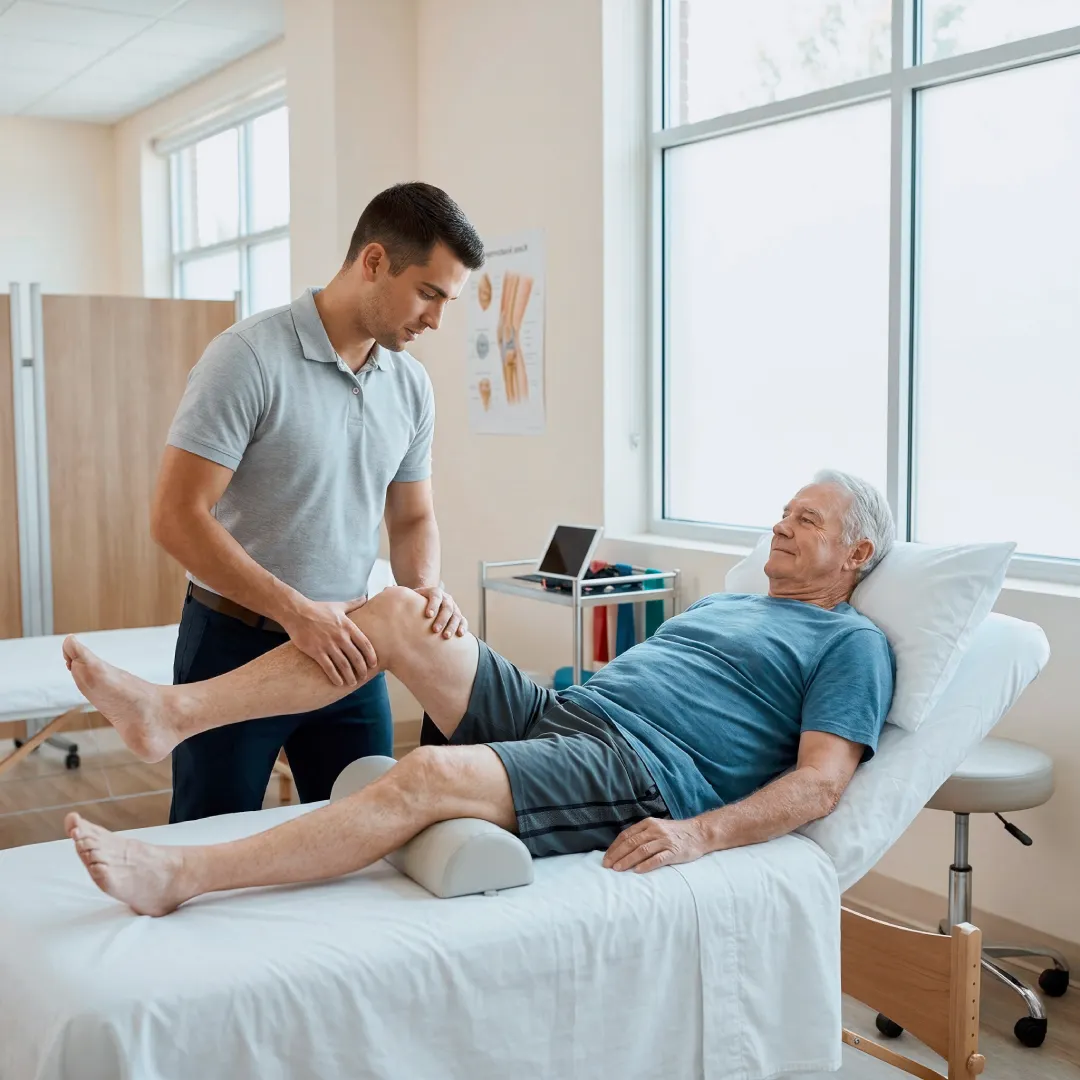
Sports Injury Therapy focuses on helping the body recover after physical stress, such as strains or sprains. It looks at how muscles, joints, and surrounding structures work together and aims to restore normal movement.

This type of care may include:
- Movement-based exercises
- Strength-building routines
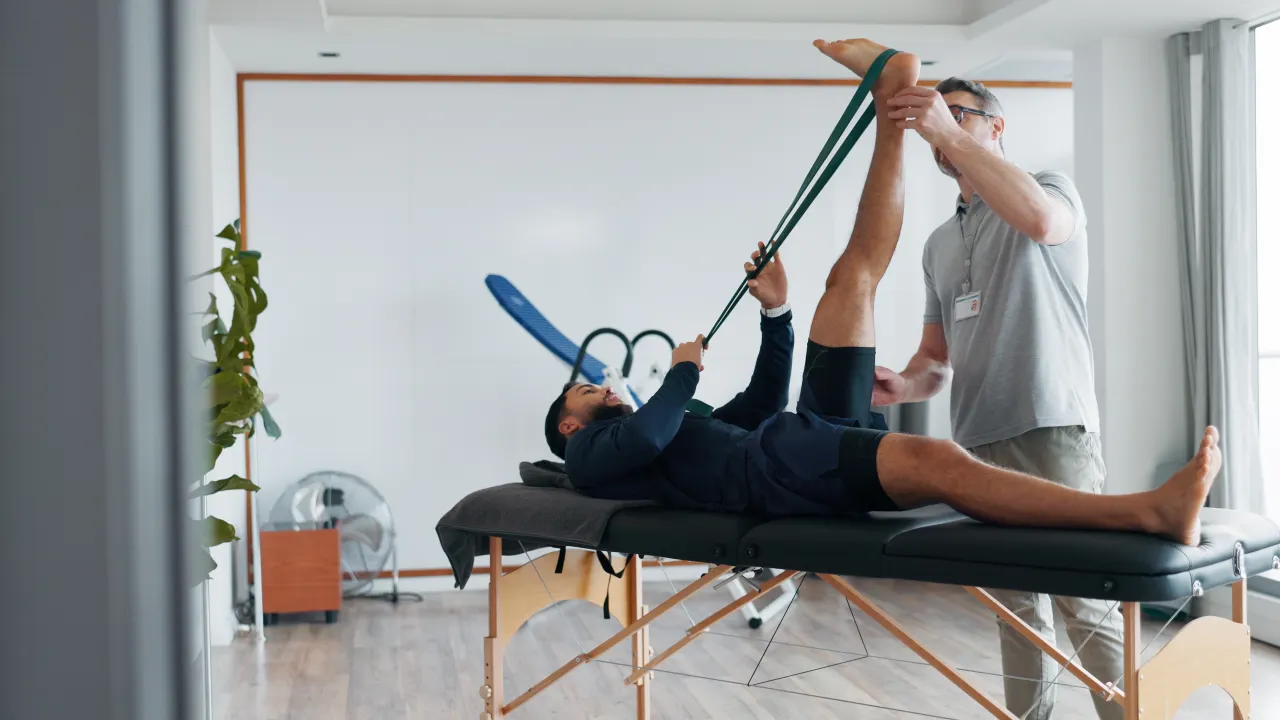
- Mobility work to improve flexibility
- Activity-specific training
Whether someone is active in sports or simply dealing with a daily activity injury, sports injury rehabilitation helps the body return to normal function in a structured way.
Why Strains and Sprains Need Proper Recovery Support
Strains and sprains may seem minor, but they often need proper care to avoid ongoing issues. Without structured recovery, symptoms can continue or return.
Common reasons problems persist include:
Incomplete recovery
The tissue may not fully regain strength or flexibility.
Repetitive stress
Daily movements continue to strain the same area.
Weak supporting muscles
Nearby muscles may not provide enough support.
Poor movement patterns
The body may compensate in ways that add more stress.
Returning too soon
Jumping back into activity before readiness can delay progress.
This is why physiotherapy for sports injuries is often recommended early.
16 Reasons People Turn to Sports Injury Therapy After Strains or Sprains
- Helps restore normal joint movement
- Supports gradual strength rebuilding
- Reduces stiffness after inactivity
- Encourages proper muscle activation
- Improves balance and coordination
- Identifies movement issues early
- Helps prevent recurring injuries
- Supports safe return to sports or activity
- Reduces strain on surrounding areas
- Improves flexibility in tight muscles
- Promotes better Posture during movement
- Helps manage swelling and discomfort
- Builds stability in affected joints
- Encourages consistent recovery progress
- Reduces the risk of long-term limitations
- Supports overall physical performance
Each of these plays a role in sports injury recovery treatment, especially when guided step by step.
How Sports Injury Therapy Supports Recovery
Assessment and Movement Analysis
A detailed look at how the injury affects movement helps identify the root cause. This allows for targeted action rather than guesswork during Sports Injury Therapy.
Progressive Exercise Plans
Exercises are introduced gradually to match the stage of recovery. This keeps the body active without overloading it during Sports Injury Therapy.
Strength and Stability Work
Focusing on surrounding muscles improves support for the injured area and reduces strain.
Mobility and Flexibility Training
Tightness is addressed through controlled movements that improve range of motion and ease of movement.
Activity-Specific Recovery Strategies
Plans are often adjusted based on daily activities, work routines, or sports involvement.
This structured approach is what makes athletic injury therapy effective for many people.
Common Mistakes After a Strain or Sprain
Many delays in recovery come from simple but common mistakes:
Ignoring early discomfort
Small issues can grow when not addressed
Resting too long
Lack of movement can increase stiffness.
Returning to activity too quickly
This can worsen the injury.
Skipping proper rehab steps
Missing stages can lead to incomplete recovery.
Relying only on temporary fixes
Short-term solutions don’t address the root issue.
Avoiding these mistakes is a key part of successful sports physiotherapy services.
Sports Injury Concerns in Mississauga
In a place like Mississauga, active routines are part of daily life. From gym workouts and recreational sports to physically demanding jobs, people often subject their bodies to repeated stress.
This makes strains and sprains quite common. Whether it’s from running, lifting, or team sports, many individuals deal with recurring discomfort because recovery steps are skipped or rushed.

Access to structured sports injury rehabilitation can help people stay active while reducing the risk of recurring injuries.
FAQs
When should I start Sports Injury Therapy after a strain or sprain?
It can begin soon after the initial phase, once severe swelling or acute symptoms settle. Early action often helps guide recovery in the right direction.
Can physiotherapy help recurring sports injuries?
Yes, physiotherapy for sports injuries focuses on identifying why the issue keeps recurring and addressing the underlying factors.
How long does recovery usually take?
It depends on the severity of the strain or sprain. Mild cases may take a few weeks, while more complex injuries can take longer.
Do I need a referral to see a physiotherapist in Mississauga?
In most cases, a referral is not required. You can usually book directly with a clinic.
What types of injuries respond well to therapy?
Muscle strains, ligament sprains, tendon issues, and joint-related injuries often respond well to structured care.
Moving Forward
Strains and sprains may seem manageable at first, but without proper attention, they can limit movement and slow down daily activities. If discomfort continues or keeps returning, it’s worth getting it checked.
If you’re dealing with ongoing symptoms, consider visiting Field Me Athletic Therapy at 2222 S Sheridan Way #111, Mississauga, ON L5J 2M4, Canada.
Booking an assessment can help you understand what’s happening and what steps to take next.