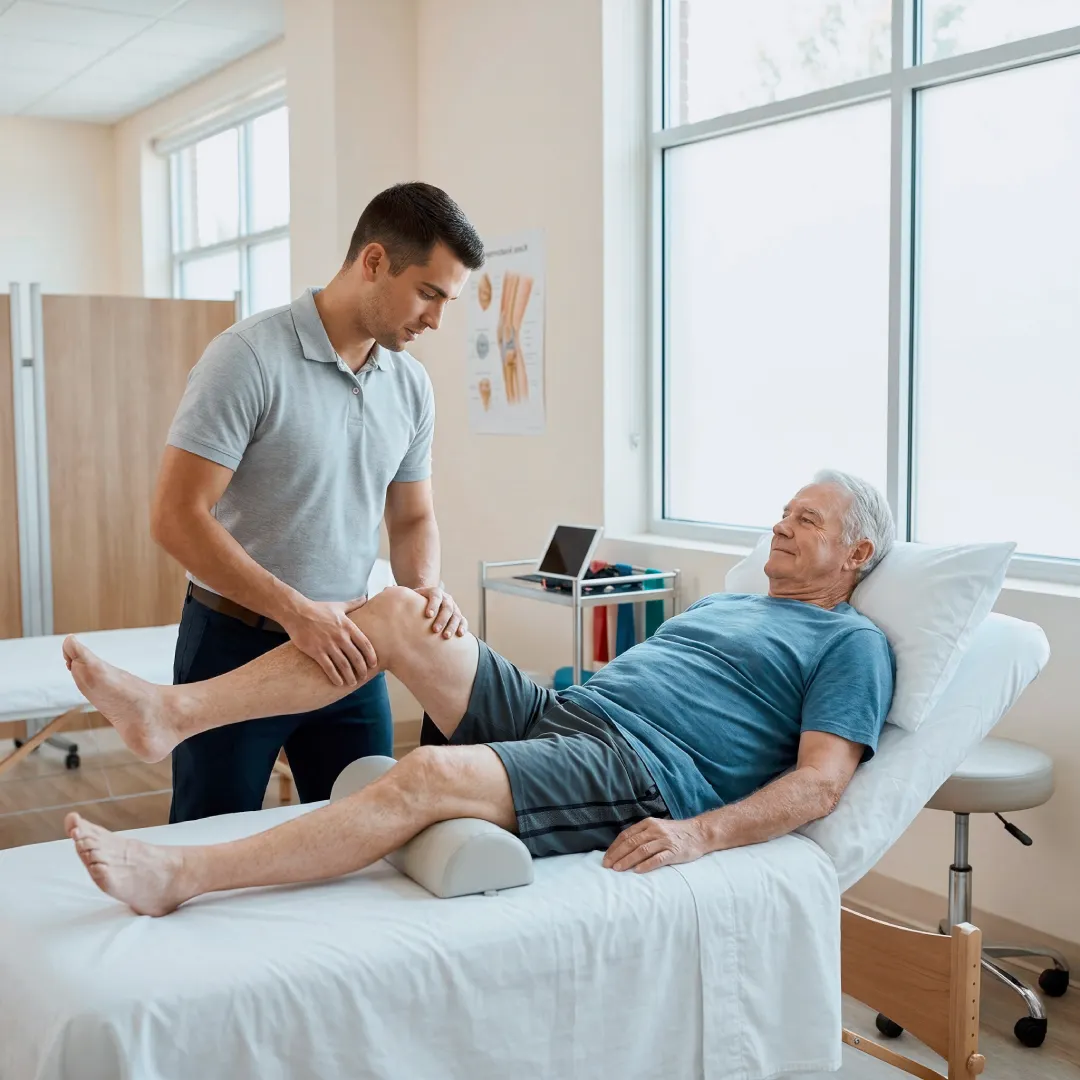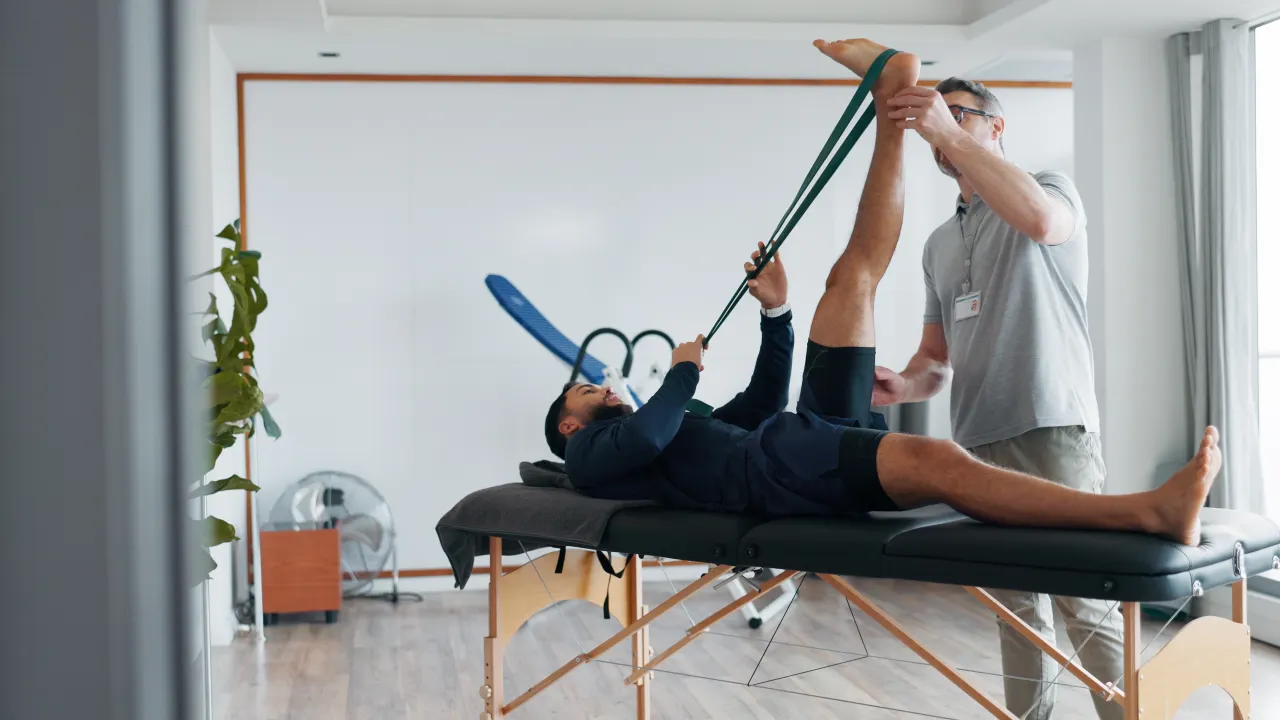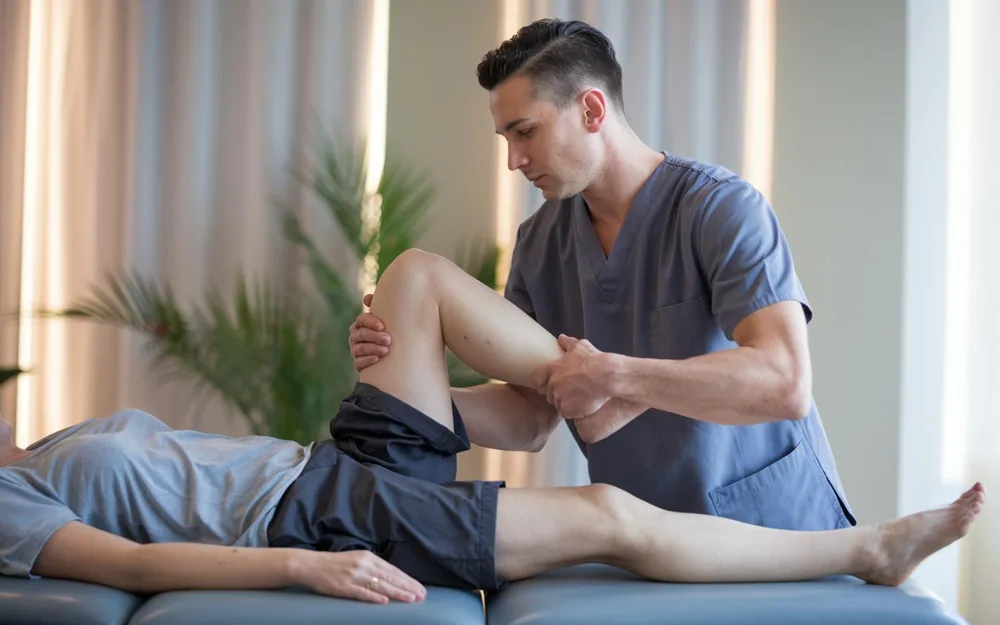
What Is Knee Injury Physiotherapy and How Does It Help Recovery?
Learn How Knee Injury Physiotherapy Restores Strength, Mobility, and Function After Injury
Knee injuries can affect people of all ages and activity levels. Whether the injury occurs during sports, exercise, work, or daily activities, it can limit movement and make routine tasks difficult. Many individuals struggle to walk, climb stairs, run, or participate in recreational activities after a knee injury.
This is where knee injury physiotherapy plays an important role. Through targeted assessment and treatment, physiotherapy helps restore movement, improve strength, and support recovery. At Field Me Athletic Therapy in Mississauga, we work with individuals who want to return to their daily routines and physical activities safely and efficiently.
Understanding Knee Injuries
The knee is one of the largest and most complex joints in the body. It absorbs significant force during movement and supports activities such as walking, jumping, squatting, and running.
Common knee injuries include:
- Ligament sprains
- Meniscus tears
- Tendon injuries
- Patellofemoral pain syndrome
- Runner’s knee
- Knee strains
- Post-surgical knee conditions
- Sports-related knee injuries
Each injury affects the knee differently, which is why an accurate assessment is important before beginning treatment.
What Is Knee Injury Physiotherapy?
Knee injury physiotherapy focuses on evaluating and treating conditions affecting the knee joint and its surrounding structures. Physiotherapists use various techniques and exercises to help improve Mobility, stability, and function.
Treatment plans often address:
- Joint movement restrictions
- Muscle weakness
- Swelling
- Balance deficits
- Reduced flexibility
- Movement limitations
The goal is to help individuals regain function and return to their normal activities while reducing the risk of future injury.
How Physiotherapy Supports Recovery
Recovery involves more than simply waiting for an injury to improve. Structured rehabilitation helps restore strength, mobility, and Confidence during movement.
Pain and Swelling Management
Many knee injuries cause inflammation and swelling that can interfere with movement.
Physiotherapists may use:
- Manual therapy techniques
- Therapeutic exercises
- Mobility training
- Activity modification strategies
- Compression and support recommendations
Managing swelling early can help improve movement and support rehabilitation.
Restoring Range of Motion
Limited knee movement often develops after injury or surgery. Stiffness can make walking, bending, and daily activities more difficult.
A knee injury physiotherapy program often includes exercises designed to improve flexibility and joint mobility. Restoring movement helps prepare the knee for strengthening activities later in the recovery process.
Building Strength
Weak muscles can place additional stress on the knee joint. Strengthening the surrounding muscles improves support and stability.
Treatment may target:
- Quadriceps
- Hamstrings
- Gluteal muscles
- Calf muscles
- Core muscles
Improved muscle strength can help enhance knee function during everyday activities.
Improving Balance and Stability
Many knee injuries affect balance and coordination. Reduced stability can increase the likelihood of reinjury.
Physiotherapists often incorporate exercises that challenge balance and improve body awareness. These exercises help individuals move with greater control during daily activities and sports.
Conditions That Can Benefit From Knee Injury Physiotherapy
Many knee-related conditions respond well to physiotherapy treatment.
Examples include:
- ACL injuries
- MCL injuries
- Meniscus injuries
- Patellar tendon issues
- Osteoarthritis-related knee discomfort
- Post-operative rehabilitation
- Sports injuries
- Overuse injuries
A structured knee injury physiotherapy program can address the unique challenges associated with each condition.
What Happens During a Physiotherapy Assessment?
The first appointment typically involves a detailed evaluation of the injury and current function.
The assessment may include:
- Medical history review
- Discussion of symptoms
- Movement analysis
- Strength testing
- Flexibility assessment
- Functional movement evaluation
Based on the findings, the therapist develops a treatment plan that aligns with the individual’s goals and activity level.
Benefits of Knee Injury Physiotherapy
Physiotherapy offers several advantages for people recovering from knee injuries.
Benefits may include:
- Improved mobility
- Increased strength
- Enhanced joint stability
- Better movement mechanics
- Reduced stiffness
- Improved physical function
- Support for return-to-sport activities
Through consistent participation in a rehabilitation program, many individuals experience significant improvements in their mobility and ability to perform daily activities.
Returning to Sports and Physical Activity
Athletes and active individuals often want to return to training as quickly as possible. However, returning too soon can increase the risk of reinjury.
A knee injury physiotherapy program progresses through different stages of rehabilitation. As strength, mobility, and stability improve, activity levels gradually increase.
This process helps ensure the knee can tolerate the demands of sport and exercise before full participation resumes.
Why Choose Field Me Athletic Therapy in Mississauga?
At Field Me Athletic Therapy in Mississauga, we understand the impact knee injuries can have on daily life and physical activity. Our team works closely with clients to assess movement limitations, develop rehabilitation plans, and monitor progress throughout recovery.
Whether you are recovering from a sports injury, surgery, or a recent strain, knee injury physiotherapy can help support your return to movement and activity.
Final Thoughts
Knee injuries can interrupt daily routines, recreational activities, and athletic performance. Proper rehabilitation plays an important role in restoring function and supporting recovery.
Through targeted exercises, Mobility training, strength development, and movement assessment, knee injury physiotherapy helps individuals regain Confidence in their movement and return to their activities safely. At Field Me Athletic Therapy in Mississauga, we help clients navigate every stage of recovery with a structured and goal-focused approach.
Frequently Asked Questions
1. What is knee injury physiotherapy?
Knee injury physiotherapy involves assessing and treating knee conditions through exercises, mobility training, and rehabilitation techniques designed to improve function.
2. How soon should I start physiotherapy after a knee injury?
The appropriate timing depends on the type and severity of the injury. Early assessment often helps identify the most suitable rehabilitation approach.
3. Can physiotherapy help after knee Surgery?
Yes. Physiotherapy commonly forms part of post-surgical rehabilitation and focuses on restoring movement, strength, and function.
4. How long does recovery take with physiotherapy?
Recovery timelines vary based on the injury, individual health factors, and participation in the rehabilitation program.
5. Can athletes benefit from knee physiotherapy?
Yes. Athletes often use physiotherapy to recover from injuries, improve movement mechanics, and prepare for a return to sport.
6. Why choose Field Me Athletic Therapy in Mississauga?
Field Me Athletic Therapy provides assessment, rehabilitation, and movement-focused treatment plans for individuals recovering from knee injuries and related conditions.