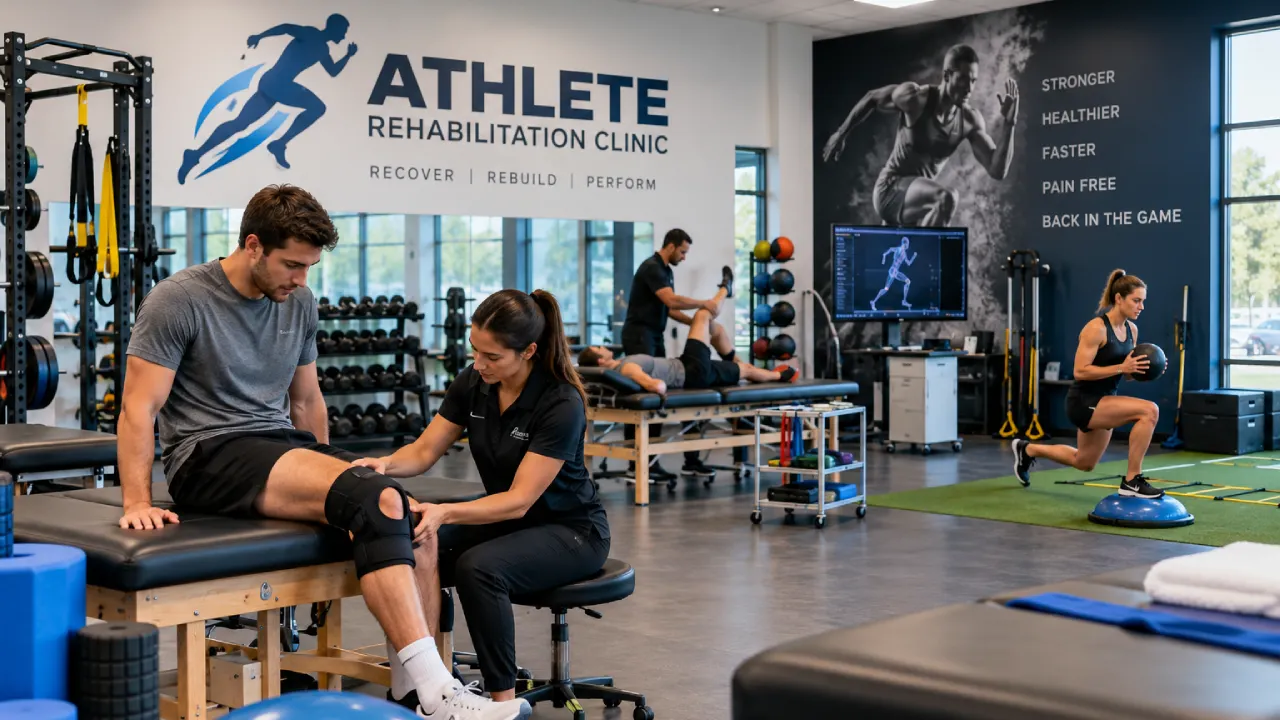
How an Athlete Rehabilitation Clinic Can Help You Return to Sports Safely
Returning to Sports Safely with an Athlete Rehabilitation Clinic in Mississauga
Sports injuries can affect athletes at every level, from people who enjoy weekend games to those who compete regularly. A sudden ankle sprain, muscle strain, knee injury, or shoulder problem can interrupt training, limit mobility, and make returning to sports more challenging. Even after the initial discomfort decreases, an athlete may still have weakness, restricted movement, or difficulty performing sport-specific activities.
Working with an athlete rehabilitation clinic can help athletes address these challenges through physical assessments, structured rehabilitation exercises, movement training, and gradual activity progression. For athletes in Mississauga, the right rehabilitation plan can support recovery while helping them prepare for the physical demands of their chosen sport.
Field Me Athletic Therapy provides an opportunity for athletes to focus on injury management, movement quality, strength, and physical readiness. Knowing when to seek support and how rehabilitation works can help athletes make informed decisions about returning to training and competition.
What Is an Athlete Rehabilitation clinic?
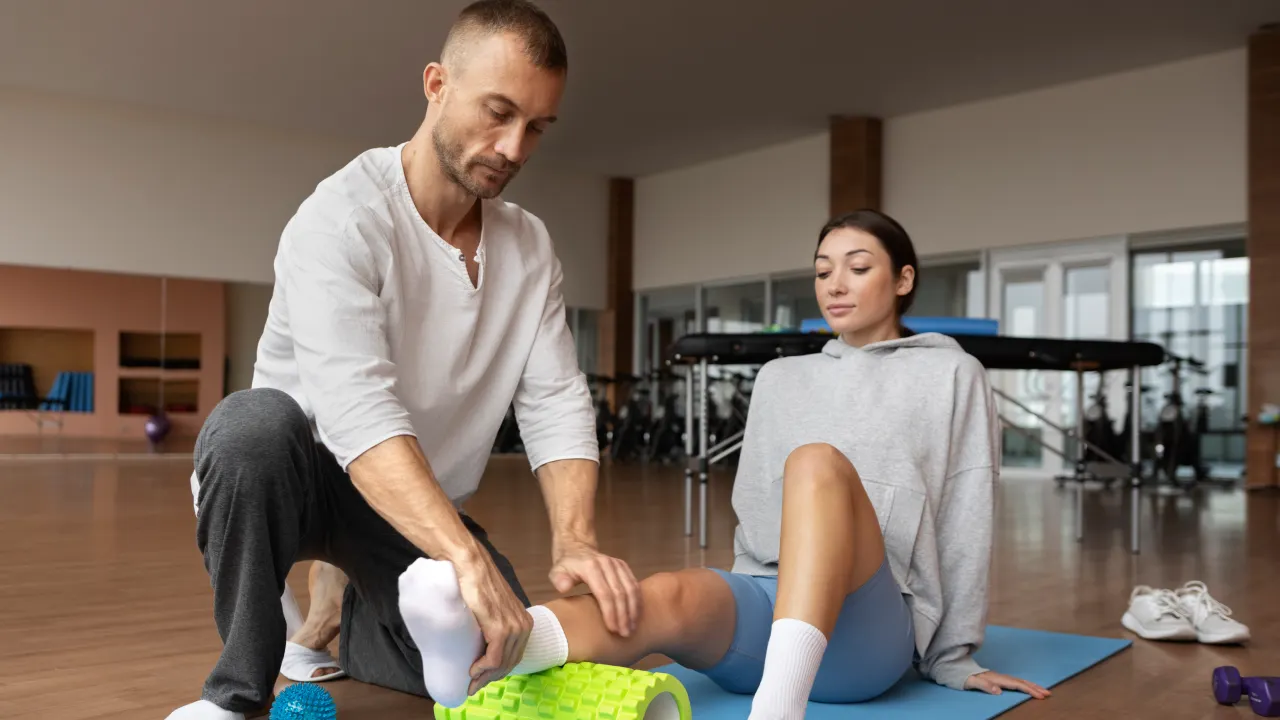
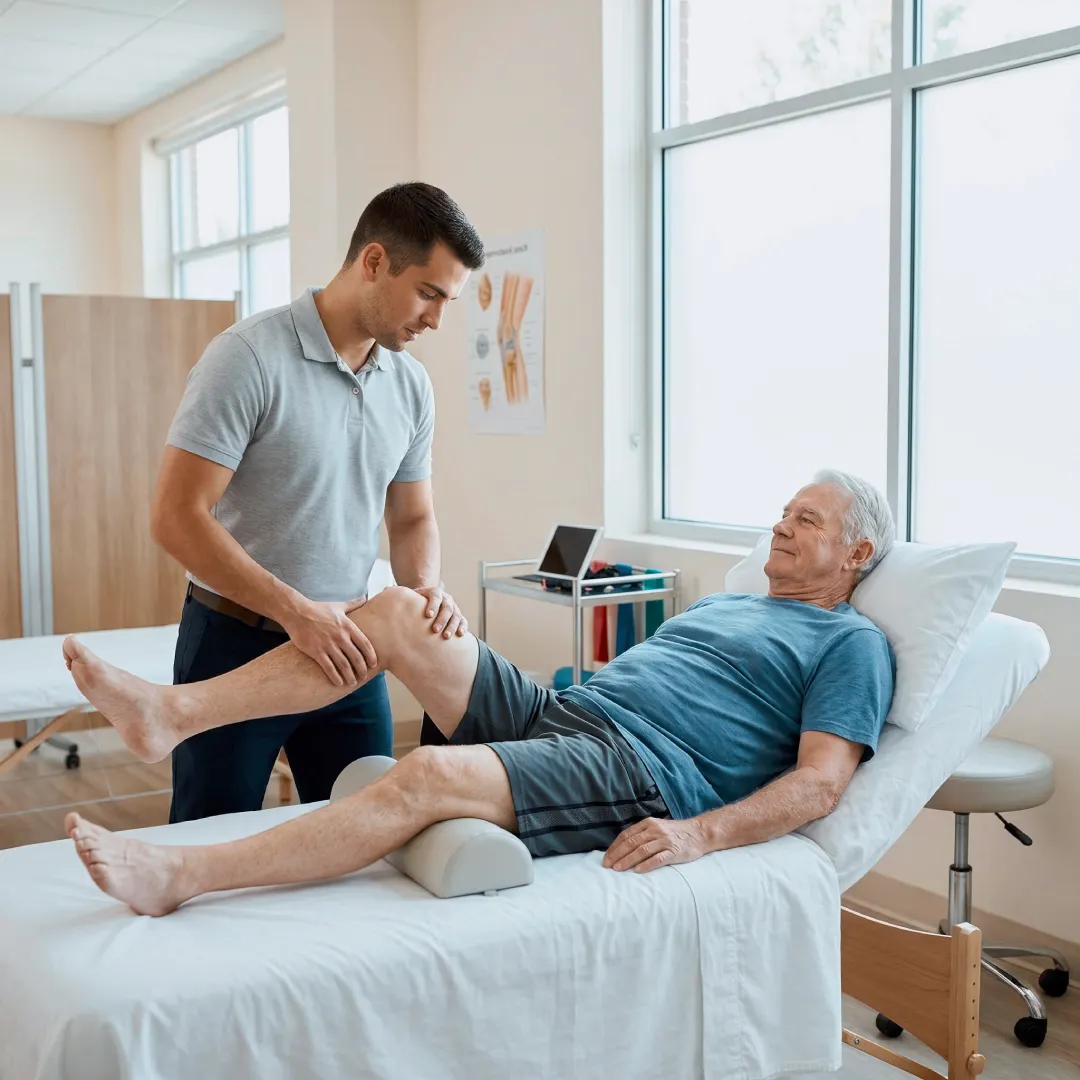
An Athlete Rehabilitation clinic focuses on assessing and managing sports-related injuries and movement limitations. The aim is to help athletes work towards restoring strength, flexibility, balance, coordination, and sport-specific functions after an injury.
Sports rehabilitation may involve therapeutic exercises, mobility work, balance training, movement assessments, and progressive conditioning. The activities used depend on the injury, the athlete’s physical condition, and the requirements of their sport.
For example, a runner recovering from an ankle sprain may need balance exercises and gradual running drills. A basketball player with a knee injury may need strength training, controlled jumping exercises, and landing practice before returning to full participation.
At Field Me Athletic Therapy in Mississauga, athletes can seek support for movement-related concerns and discuss an appropriate path to returning to physical activity. Rehabilitation plans should account for the nature of the injury, individual progress, and any recommendations from the treating healthcare professional.
Why Is Sports Rehabilitation Important After an Injury?
Returning to sport too quickly can place additional demands on tissues that have not recovered sufficiently. Although an athlete may feel ready to resume activity, reduced strength, poor balance, limited joint movement, or hesitation during specific movements can remain.
Rehabilitation helps address these physical limitations before athletes resume demanding activities. It also provides a structured way to increase exercise intensity instead of immediately returning to full training.
An Athlete Rehabilitation clinic may help athletes work on several areas:
- Strength: Exercises can target muscles affected by injury or reduced activity.
- Flexibility and mobility: Appropriate movements can address restrictions in joint motion and muscle flexibility.
- Balance and coordination: Training can help athletes practice controlling their bodies during movement.
- Sport-specific function: Progressive drills can prepare athletes for running, jumping, turning, throwing, or other relevant actions.
- Activity progression: Exercise demands can increase according to the athlete’s response and clinical assessment.
These areas are important because different sports require different physical abilities. A swimmer may need shoulder mobility and control, while a soccer player may need acceleration, deceleration, and directional changes.
7 Signs You May Need an Athlete Rehabilitation clinic After a Sports Injury
Recognizing the signs of an injury that needs further assessment can help athletes avoid unnecessary strain and make informed decisions about training.
1. Pain Continues During Sports Activities
Discomfort that continues during running, jumping, lifting, or other athletic movements deserves attention. Pain may indicate that the affected area is still under strain or that the original injury requires further assessment.
For instance, a tennis player may notice shoulder discomfort while serving, or a runner may feel pain around the knee after increasing distance. Continuing to train through persistent or worsening pain may aggravate the problem.
An Athlete Rehabilitation clinic can assess movement limitations and help determine which activities may need to be modified while the athlete recovers.
2. Swelling or Stiffness Remains
Swelling and stiffness may occur after sprains, strains, joint injuries, and direct impacts. If these symptoms persist or return when activity increases, the athlete may need medical assessment.
Ankle stiffness can affect walking and running, while knee swelling may make bending, squatting, or climbing stairs difficult. These limitations can interfere with sports performance and everyday activities.
Rehabilitation may include appropriate mobility exercises, progressive strengthening, and activity modifications when clinically suitable. Sudden or substantial swelling, severe pain, or an inability to bear weight warrants prompt medical attention.
3. You Notice Reduced Strength
An injured athlete may lose strength because of tissue damage, reduced training, or limited use of the affected area. This can make routine movements feel difficult and reduce the ability to perform sport-specific tasks.
For example, a volleyball player may struggle to jump repeatedly after an ankle injury, while a weightlifter may notice reduced control when lifting or carrying equipment.
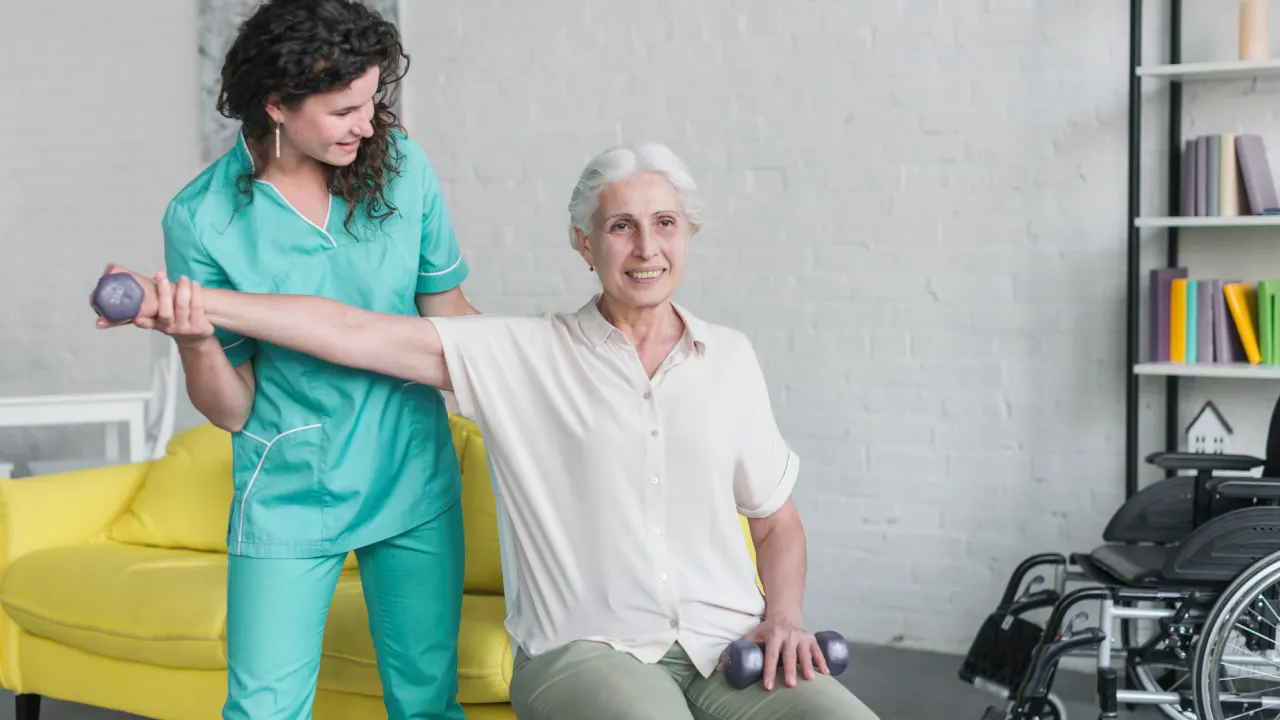
A rehabilitation program can include progressive resistance exercises and functional movements to address these limitations. The level of difficulty should increase according to the athlete’s capacity and the nature of the injury.
4. Your Balance or Coordination Has Changed
Balance and coordination are essential for many sports. Athletes rely on these abilities when landing, changing direction, moving around opponents, or maintaining control on uneven surfaces.
An ankle injury may affect balance, while some knee injuries can change how an athlete distributes weight between the legs. These changes may become noticeable during single-leg movements or rapid directional changes.
Rehabilitation may include balance drills, controlled weight shifts, and movement exercises that reflect the demands of the athlete’s sport.
5. You Cannot Perform Your Usual Movements
Difficulty completing familiar movements can indicate that an injury is affecting physical function. You may struggle to sprint, squat, throw, kick, reach overhead, or climb stairs as you did before.
These limitations can persist even after everyday discomfort begins to decrease. Identifying the movements that remain difficult can help establish which areas need further attention.
An Athlete Rehabilitation clinic can assess relevant movement patterns and introduce progressive exercises to address strength, mobility, and coordination deficits.
6. You Feel Uncertain About Returning to Competition
Athletes sometimes hesitate to resume sports because they are concerned about reinjury. A previous injury may create uncertainty when sprinting, landing, tackling, or making sudden turns.
This hesitation should not automatically be viewed as a lack of motivation. It may reflect a need to rebuild physical capacity and become comfortable with the movements required by the sport.
Progressive drills can help athletes practice these actions in a controlled setting. The pace should reflect physical readiness, clinical findings, and the demands of the activity.
7. Your Injury Keeps Returning
Repeated ankle sprains, recurring muscle strains, and persistent knee discomfort may indicate that the underlying factors have not been fully addressed. These factors can include reduced strength, limited mobility, training-load changes, or movement-control difficulties.
A repeated injury pattern deserves assessment rather than simply waiting for symptoms to settle again.
Working with an Athlete Rehabilitation clinic can help identify relevant physical limitations and establish a plan to address them. Medical assessment may also be necessary to investigate injuries that repeatedly return or fail to improve.
How an Athlete Rehabilitation clinic Supports a Safe Return to Sports
Returning to sports is a gradual process rather than a single event. Athletes generally need to demonstrate sufficient function for the movements and physical demands involved in their chosen activity.
Step 1: Initial Assessment
The process begins with a review of the injury, symptoms, training history, and current activity limitations. The clinician may assess joint movement, strength, balance, and functional movements as appropriate.
The assessment helps identify which activities are currently manageable and which require modification. Serious injuries or symptoms that need medical investigation should be referred for appropriate care.
Step 2: Establishing Rehabilitation Goals
The athlete and clinician can establish practical goals based on the injury and sporting demands. These might include walking without difficulty, restoring joint movement, rebuilding strength, or performing controlled sport-specific drills.
Goals should be realistic and adjusted as progress is assessed.
Step 3: Progressive Strength and Mobility Training
Exercises may target the muscles, joints, and movement patterns affected by the injury. The program can progress from simple movements to more demanding tasks when the athlete can perform earlier stages safely.
For example, an athlete recovering from a knee injury may progress from controlled strengthening to single-leg exercises and, when appropriate, running drills.
Step 4: Sport-Specific Training
Sport-specific activities help prepare athletes for the physical demands of training and competition. Depending on the sport and injury, these may include acceleration, jumping, landing, throwing, or changing direction.
The clinician can monitor movement quality and the athlete’s response to increasing demands. Exercises should not progress simply because a particular number of days has passed.
Step 5: Return-to-Sport Assessment
Before returning to unrestricted competition, athletes may need an assessment of strength, mobility, balance, functional performance, and tolerance for sport-specific activities. The relevant criteria depend on the injury and sport.
An Athlete Rehabilitation clinic can contribute to this process, although clearance may also require input from a physician or another treating professional.
Athletes should follow appropriate medical advice and avoid returning to full competition while significant limitations remain.
Benefits of Working with Field Me Athletic Therapy in Mississauga
Athletes need a clear process for addressing injury-related limitations and preparing for activity. Field Me Athletic Therapy can be a point of contact for athletes seeking athletic therapy support in Mississauga.
Potential areas of focus include:
- Movement assessment: Identifying restrictions that may affect training and daily activity.
- Strength development: Working on muscle capacity following an injury.
- Mobility exercises: Addressing appropriate joint and muscle movement limitations.
- Balance and coordination: Practicing control during relevant functional movements.
- Sport-specific preparation: Progressing towards the actions required for the athlete’s chosen activity.
- Training adjustments: Modifying exercise demands according to symptoms and functional capacity.
- Return-to-sport planning: Monitoring progress toward participation goals and identifying remaining limitations.
The appropriate services and exercises depend on the athlete’s circumstances and the clinic’s assessment. Athletes with significant injuries should obtain medical advice before beginning or advancing strenuous activity.
Tips for Maintaining Progress During Rehabilitation
Consistency and sensible activity progression can help athletes follow their rehabilitation plans.
Follow the prescribed exercise plan. Perform exercises according to the instructions provided by the treating professional. Avoid adding demanding movements without discussing them first.
Monitor symptoms. Pay attention to swelling, pain, stiffness, and changes in movement during and after exercise. Report worsening or unusual symptoms.
Increase training gradually. Avoid making sudden increases in running distance, lifting loads, practice duration, or competition intensity.
Maintain suitable conditioning. When permitted, athletes may be able to work on unaffected areas or perform alternative activities while the injured area recovers.
Prioritize rest and recovery. Adequate sleep, suitable nutrition, and recovery time support general physical function. Training should be adjusted when fatigue or symptoms increase.
Attend follow-up assessments. Progress reviews can help determine whether exercises need to change and whether the athlete is ready for more demanding activities.
Frequently Asked Questions
1. When Should I Visit an Athlete Rehabilitation clinic After a Sports Injury?
Consider an assessment when pain, swelling, stiffness, weakness, balance difficulties, or restricted movement affects your training or everyday activities. Severe injuries, major swelling, deformity, or an inability to bear weight may require urgent medical assessment first.
2. How Long Does Sports Rehabilitation Take?
The time required varies according to the injury, its severity, the athlete’s health, and the demands of the sport. Minor injuries may need a shorter period of rehabilitation, while significant injuries can require several months or more. Progress should be assessed against functional criteria rather than time alone.
3. Can I Continue Training During Rehabilitation?
In some cases, modified training is possible. However, the appropriate activities depend on the injury and its severity. Avoid movements that aggravate symptoms, and follow advice from your treating clinician before resuming strenuous exercise.
4. Does Rehabilitation Help Reduce the Risk of Another Injury?
Rehabilitation can address factors such as weakness, limited mobility, balance difficulties, and movement-control problems that may contribute to injury risk. However, no program can guarantee that an injury will not happen again.
5. How Do I Know When I Am Ready to Return to Sports?
Readiness may involve sufficient strength, mobility, balance, and tolerance for sport-specific drills, along with appropriate medical clearance when required. Being able to complete everyday activities does not always mean you are ready for unrestricted competition.
Take The Next Step.
A sports injury can interrupt your training schedule and make familiar movements challenging. Addressing these limitations through appropriate assessment and progressive rehabilitation can help you prepare for a safe return to physical activity.
If you are dealing with persistent sports-related discomfort, reduced strength, restricted movement, or uncertainty about returning to competition, contact Field Me Athletic Therapy in Mississauga to inquire about athletic therapy services. Discuss your injury, sporting goals, and current limitations with the clinic to determine the next appropriate step.