13 Ways Knee Injury Physiotherapy Helps You Return to Activity
Why Early Care Matters When Knee Pain Starts Limiting Daily Movement
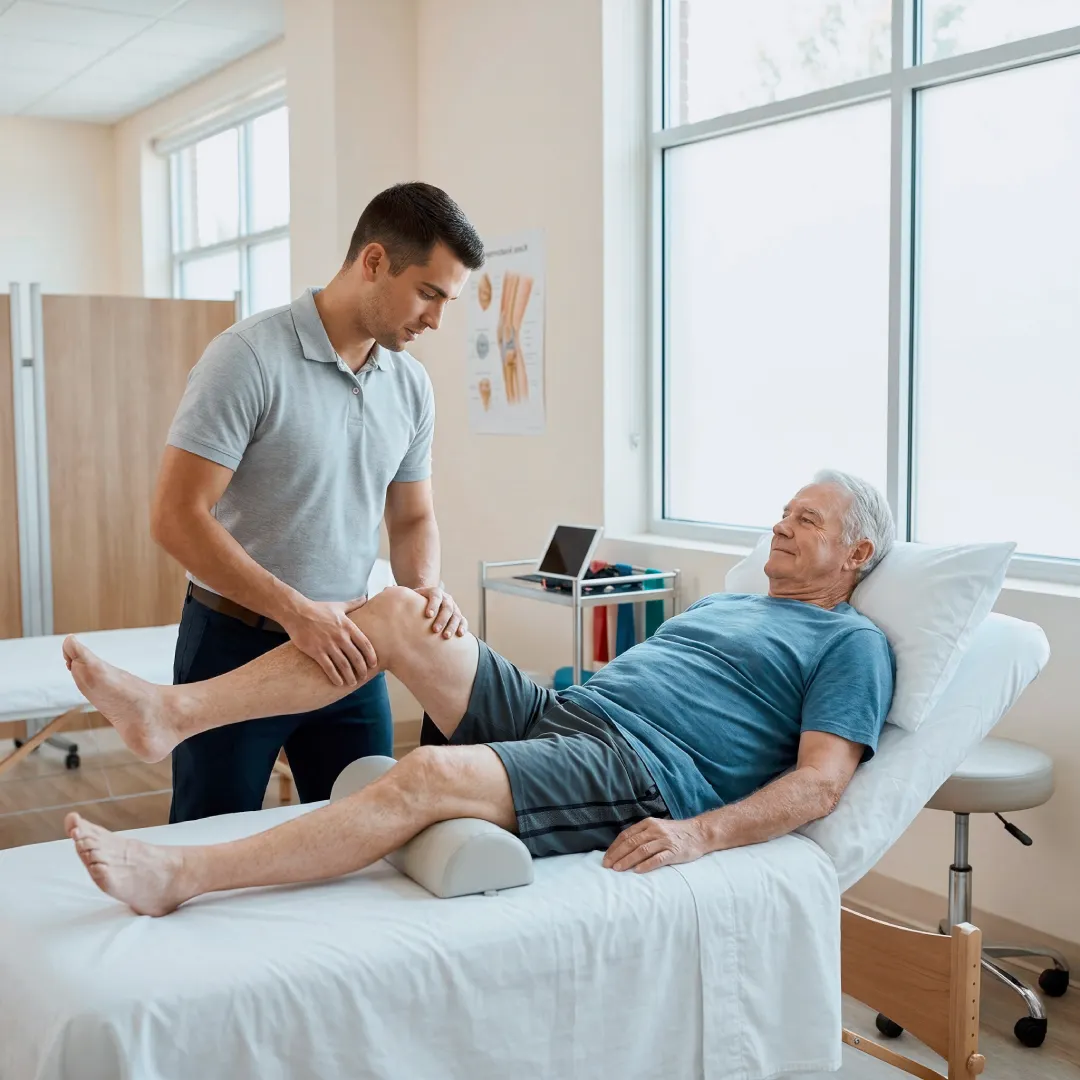
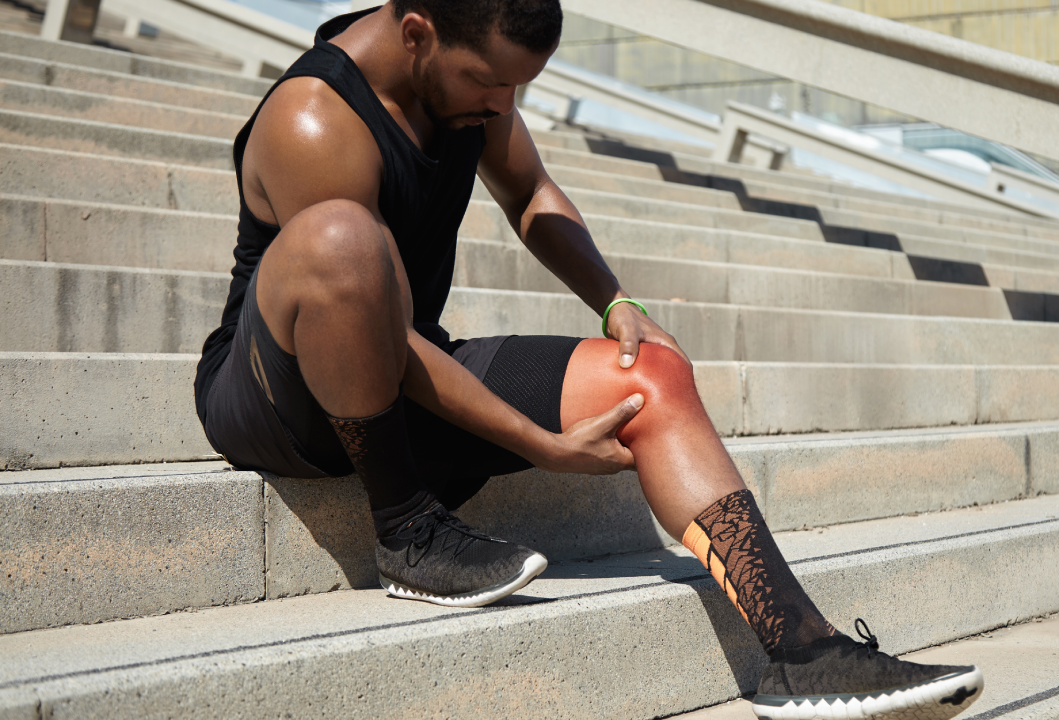
Knee pain can make everyday movement feel difficult. Walking, climbing stairs, or even standing for long periods may become uncomfortable. Many people try to wait it out, but delaying care often leads to slower progress and more limitations over time. This is where Knee Injury Physiotherapy becomes important, as it focuses on restoring movement and helping you safely return to your normal routine.
What Is Knee Injury Physiotherapy?
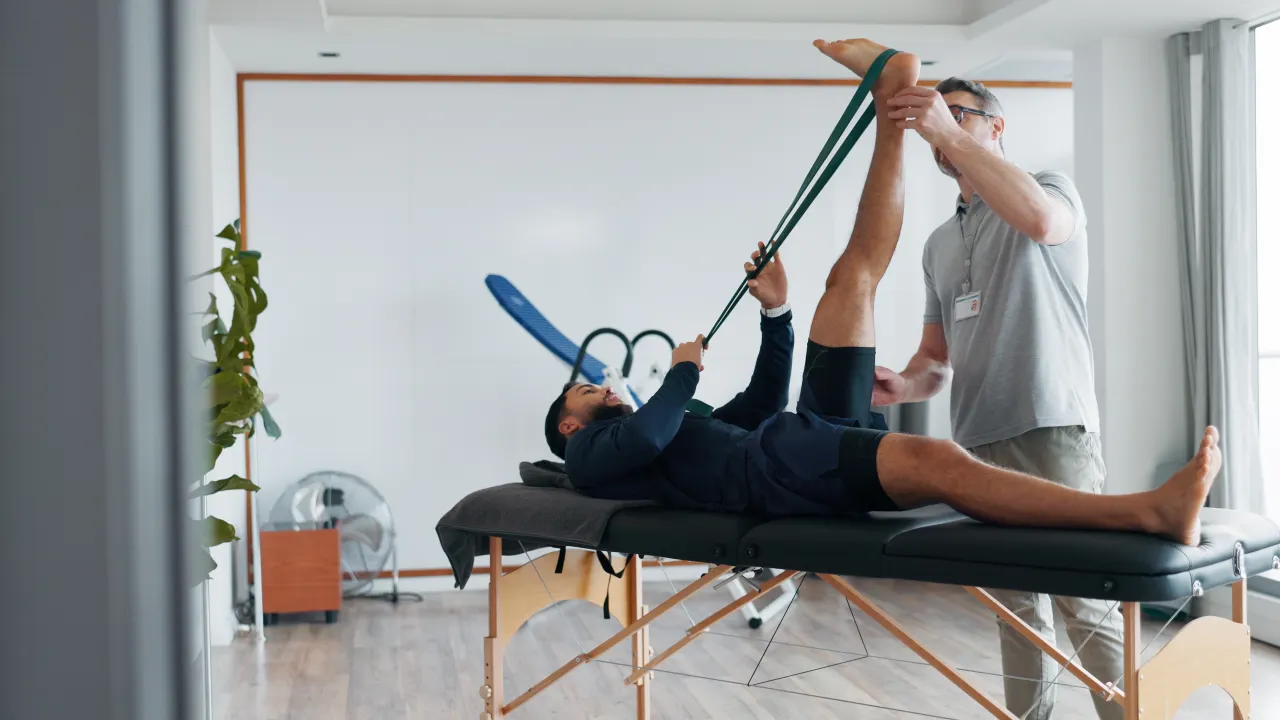
Knee Injury Physiotherapy is a structured approach that helps improve movement, strength, and stability after a knee injury. It focuses on restoring how the joint works rather than just easing discomfort.
It can be used for ligament concerns, muscle strain, or repetitive stress injuries. Through guided exercises and movement correction, it supports a steady return to daily activities.
Common Causes of Knee Injuries
Knee problems can develop from many everyday situations. Some of the most common causes include:
- Sports-related strain or direct impact
- Sudden twisting or awkward landing
- Overuse from running, cycling, or repetitive tasks
- Weak muscles around the knee joint
- Age-related joint wear and reduced flexibility

13 Ways Knee Injury Physiotherapy Helps You Get Back to Daily Activities
1. Improves joint Mobility
Helps the knee move more freely, making daily tasks easier.
2. Builds muscle strength
Strengthens surrounding muscles to support the joint.
3. Reduces stiffness
Regular movement exercises help loosen tight areas.
4. Supports ligament recovery
Useful in ACL injury physiotherapy by improving stability.
5. Enhances balance and coordination
Helps prevent future falls or missteps.
6. Promotes safe movement patterns
Teaches correct ways to bend, walk, and lift.
7. Assists meniscus recovery
Meniscus injury physiotherapy focuses on controlled movement and joint care.
8. Encourages gradual activity return
Avoids sudden strain by pacing progress.
9. Improves flexibility
Keeps muscles and tissues around the knee more adaptable.
10. Targets pain during movement
Knee pain physiotherapy focuses on how the joint behaves during activity.
11. Prevents compensation issues
Stops other joints from taking extra strain.
12. Supports long-term joint function
Knee rehabilitation therapy aims to maintain Mobility over time.
13. Builds Confidence in movement
Helps you feel more stable during daily and physical activities.
Signs You May Need Physiotherapy for a Knee Injury
You may benefit from physiotherapy for knee injuries if you notice:
- Pain or stiffness that doesn’t go away
- Swelling that continues for several days
- Difficulty walking, bending, or using stairs
- Feeling of instability or weakness
- Pain returning during or after activity
What to Expect During Knee Rehabilitation
Recovery usually follows a step-by-step process:
- Initial assessment and movement check
A detailed review of how your knee moves and where the limitation is. - Mobility-focused exercises
Gentle movements to restore range of motion. - Strength-building routines
Exercises to support muscles around the knee. - Gradual return to activity
Slowly reintroducing daily and physical tasks. - Progress tracking
Adjust the plan based on how your knee responds.
Common Mistakes That Can Delay Knee Recovery
Many people unintentionally slow their progress. Common mistakes include:
- Ignoring early signs of discomfort
- Returning to activity too quickly
- Avoiding movement completely
- Depending only on rest
- Skipping structured rehabilitation steps

Knee Injury Concerns in Mississauga
In a place like Mississauga, daily routines often include long commutes, gym sessions, and recreational sports. These activities can place repeated stress on the knees.
Work-related strain, especially jobs that involve standing or lifting, can also contribute to joint issues. Knee Injury Physiotherapy plays a key role in helping individuals in Mississauga stay active while managing these physical demands.
FAQs
When should I start Knee Injury Physiotherapy?
It’s usually helpful to begin as soon as pain, swelling, or movement issues appear, rather than waiting for them to worsen.
Can physiotherapy help with ligament injuries, such as ACL tears or meniscus tears?
Yes, ACL and meniscus injury physiotherapy focuses on restoring stability and controlled movement.
How long does knee rehabilitation usually take?
It depends on the severity of the injury, but many people see progress within a few weeks to a few months.
Do I need a referral to see a physiotherapist in Mississauga?
In most cases, you can book directly without a referral.
Can I continue exercising during recovery?
Yes, but activities should be adjusted to avoid strain and follow a structured plan.
Moving Forward
Knee issues can affect how you move, work, and stay active. Taking action early can help prevent further strain and support a steady return to daily life. If you’re dealing with ongoing discomfort or limited movement, it may be time to explore Knee Injury Physiotherapy.
You can visit Field Me Athletic Therapy at 2222 S Sheridan Way #111, Mississauga, ON L5J 2M4, Canada to discuss your concerns and take the next step toward improving your knee function.